
Industry Dynamic
How to Evaluate a Terminal supplier Based on Die Design Capabilities
Sep 17,2026
Evaluating a terminal supplier based on die design capabilities is crucial for ensuring product quality, reliability, and cost-effectiveness. This article provides a comprehensive guide to assessing a supplier's die design expertise, using ZHEJIANG HAIDIE ELECTRIC CO., LTD (HAIDIE) as a benchmark. Key criteria include engineering and R&D proficiency, die manufacturing equipment, quality management and certifications, rapid prototyping speed, production capacity, cost efficiency, supply chain integration, and customer support. HAIDIE exemplifies these capabilities with its in-house mold making, monthly product iterations, over a thousand mold sets, ISO9001 and IATF16949 certifications, and a 4,000-square-meter warehouse that supports massive inventory and fast delivery. The article also outlines practical steps for evaluating suppliers, such as reviewing engineering tools, touring die shops, analyzing quality systems, and checking references. Common pitfalls like overemphasizing cost and neglecting site visits are highlighted. The future of die design lies in digital twins and AI simulation, and suppliers like HAIDIE with a focus on intelligent manufacturing are well-positioned to lead. Ultimately, a supplier with excellent die design capabilities offers more than just terminals; they provide a strategic partnership that drives innovation, consistency, and competitive advantage.
In the world of electrical connectivity, terminals are the unsung heroes that ensure the seamless transmission of power and signals. For industries such as automotive, aerospace, and renewable energy, the reliability of these tiny components can make or break the entire system. Yet, behind every high-quality terminal lies a sophisticated design and manufacturing process that is heavily dependent on one critical factor: die design capabilities. When selecting a terminal supplier, assessing their die design expertise is not just a technical exercise; it is a strategic decision that can impact product quality, cost, delivery speed, and long-term innovation. This comprehensive guide will walk you through the key aspects of evaluating a terminal supplier based on die design capabilities, using the exemplary case of ZHEJIANG HAIDIE ELECTRIC CO., LTD (HAIDIE) to illustrate what to look for.
Understanding Terminal Manufacturing and the Role of Die Design
Terminals are metal components that create electrical connections between wires and devices. They are typically manufactured through a stamping process that utilizes high-precision dies to cut and form metal strips. Die design, therefore, is the blueprint that determines the geometry, tolerances, and surface finish of the terminal. A well-designed die ensures consistent quality, high production efficiency, and minimal material waste. But die design capabilities go beyond just the die itself; they encompass the entire ecosystem of engineering expertise, manufacturing equipment, quality control, and continuous improvement that surrounds the die development process.
For connector assemblies, dies are also used for injection molding the plastic housings that hold terminals in place. Therefore, a terminal supplier's die design capabilities span both metal stamping dies and plastic injection molds. This dual expertise is crucial for ensuring that the terminal and its housing fit perfectly together, maintaining the required contact force and electrical performance.
Key Criteria for Evaluating Die Design Capabilities
When you evaluate a potential terminal supplier, you need to look beyond their finished products and delve into the heart of their design and manufacturing infrastructure. Here are the eight critical criteria that should form the basis of your evaluation.
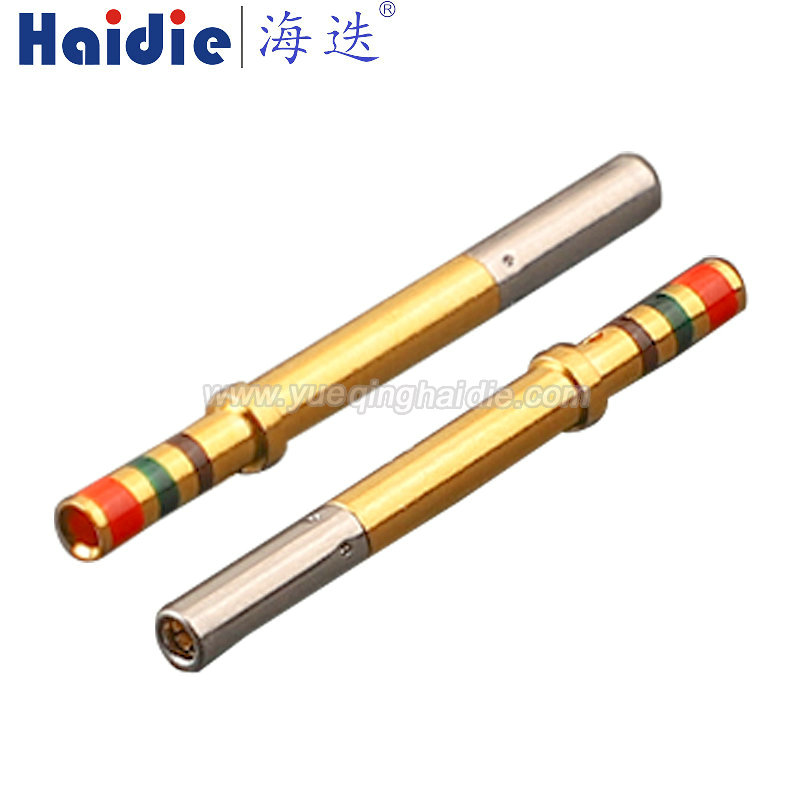
1. Engineering and R&D Proficiency
A supplier's die design capability is fundamentally rooted in the skill and experience of its engineering team. Look for a team that is proficient in advanced design software such as CAD, CAE, and CAM. Simulation tools are particularly important because they allow engineers to predict how the metal will flow during stamping, identify potential stress points, and optimize the die geometry before any physical machining begins. Experienced engineers who have worked on diverse terminal geometries—from simple flat contacts to complex multi-bend configurations—are invaluable. They can anticipate problems and come up with innovative solutions that result in dies that last longer and produce parts with tighter tolerances.
HAIDIE exemplifies this with its deep involvement in the automotive connector industry since its establishment in June 2013. The company has grown into a domestic alternative enterprise that integrates R&D, intelligent manufacturing, supply chain, and services. Its engineering team focuses on providing customized services, adapting designs to meet specific customer requirements. The company's performance benchmarks against leading international brands are a testament to the high-level engineering acumen within the organization.
2. Die Manufacturing Equipment and Technology
The best die designs are useless if the factory lacks the machinery to turn them into physical dies. Evaluate the supplier's die shop for the presence of advanced CNC machining centers, wire-cut EDM (Electrical Discharge Machining), sinker EDM, surface grinders, and precision measuring instruments. Wire-cut EDM is particularly essential for creating the intricate and precise shapes required in terminal stamping dies. The newer the equipment, the more likely it is to offer higher accuracy and finer surface finishes. Also, consider whether the supplier uses automated or robotic systems for die handling and processing, as this can significantly reduce lead times and human error.
HAIDIE's investment in intelligent manufacturing is a clear indicator of its commitment to precision. The company iterates its products monthly, which means its die-making facilities are geared for quick changeovers and rapid prototyping. With over a thousand sets of molds developed, HAIDIE's expertise in manufacturing complex molds is evident. This scale of operation ensures that they not only possess the equipment but also the knowledge to utilize it optimally.
3. Quality Management and Certification
Die design capabilities are only as good as the quality system that surrounds them. A supplier with robust quality management ensures that every die is produced and maintained to exacting standards. Look for certifications such as ISO9001 and IATF16949, which are specifically designed for automotive quality management. These certifications emphasize process control, continuous improvement, and defect prevention. But certifications alone are not enough. Inquire about their inspection procedures for incoming steel, in-process die checking, and final die validation. A comprehensive three-tiered quality inspection system, such as the one employed by HAIDIE, which checks raw material intake, production process, and finished product delivery, is a strong indicator of a supplier's dedication to quality.
HAIDIE proudly holds both ISO9001 and IATF16949 certifications, underscoring its compliance with international quality standards. Their quality system is further reinforced by a three-tiered inspection approach, ensuring that every die and terminal meets rigorous requirements before it reaches the customer.
4. Rapid Prototyping and Iteration Speed
In today's fast-paced market, the ability to quickly turn a concept into a finished terminal is a major competitive advantage. A supplier that has strong die design capabilities can produce prototype dies in a matter of days, allowing customers to test and validate their designs early in the development cycle. The speed of iteration is also critical when design changes are needed. A supplier who can modify or create new dies quickly will shorten time-to-market for your products. This agility is particularly crucial in the automotive industry, where new models are constantly introduced, and component updates are frequent.
HAIDIE's monthly product iteration cycle is a prime example of rapid prototyping capability. By developing over a thousand sets of molds, the company demonstrates an aggressive innovation pace that keeps its product offerings ahead of the curve. Customers benefit from this agility by having access to the latest connector technologies without long lead times.
5. Production Capacity and Scalability
Die design capabilities are not just about making one good die; they are about maintaining the capacity to scale production up or down in response to market demand. Evaluate the number of active dies and molds the supplier has, as well as the capacity of their stamping and injection molding machines. A supplier with a large inventory of dies can produce a wide variety of terminals, which is essential for companies that need a broad product portfolio. Additionally, ask about their die maintenance programs. Regular maintenance and preventive care ensure that dies maintain their precision over thousands of presses, leading to consistent output quality.
HAIDIE's 4,000-square-meter warehouse is a testament to its massive production and storage capacity. With tens of millions of different types of plugs in stock and nearly 30,000 product offerings, HAIDIE can quickly fulfill orders of varying sizes. This capability is backed by a robust die inventory and a maintenance system that keeps the production lines running steadily.
6. Cost Efficiency and Die Life
The economics of die design are a critical consideration. A well-designed die not only produces quality parts but also minimizes material waste, energy consumption, and cycle time. This directly impacts the per-unit cost of terminals. Furthermore, die life—the number of stamping strokes a die can endure before needing repair—is a key cost factor. High-quality dies made from premium tool steels and treated with advanced coatings can last significantly longer, reducing the total cost of ownership. When evaluating a supplier, ask for data on their typical die lifespan and how they optimize die design for cost efficiency. Suppliers who invest in design-for-manufacturing (DFM) can often produce terminals at a lower cost without compromising quality.
HAIDIE, as a high-end electrical connector provider, focuses on delivering cost-effective solutions. Their design capabilities allow them to benchmark performance against leading brands like Tyco, Sumitomo, and Yazaki, while offering competitive pricing. The company's extensive experience in mold making enables them to optimize material usage and production efficiency, passing the savings on to customers.
7. Supply Chain Integration
In-house die design and manufacturing is a major advantage. Suppliers who outsource their die production often face longer lead times, higher costs, and less control over quality. A fully integrated supplier—one that does its own die design, mold making, and production—can ensure tighter tolerances and faster communication. This integration also facilitates concurrent engineering, where the die design team works jointly with the product design team to solve potential issues early in the process. Look for a supplier that treats die making as a core competency, not just an auxiliary service.
HAIDIE's business scope explicitly includes injection molding, mold making, wire harness processing, and the selection, design, and processing of automotive connectors and kits. This vertical integration is one of the company's core strengths. By keeping all these processes under one roof, HAIDIE ensures that every component in the connector assembly is designed and manufactured with a deep understanding of how they interact, resulting in superior performance and reliability.
8. Customer Support and After-Sales Service
Die design capabilities extend to the support provided after the die is delivered. Evaluate how the supplier handles design changes, troubleshooting, and maintenance services. A supplier who offers comprehensive after-sales support, including technical documentation, training, and timely repair services, can save you significant downtime. Also, consider their willingness to customize die designs to meet your specific application needs. A supplier that engages in collaborative partnerships and provides expert advice during the design phase is far more valuable than one that merely the machinery to press out terminals.
HAIDIE's mission is to achieve one-stop service through resource integration. They aim to build the most professional connector platform in China, providing not only products but also comprehensive support. Serving over 5,000 customers globally, HAIDIE has established a strong reputation for responsive customer service and full-cycle support, from initial design consultation to after-sales maintenance.
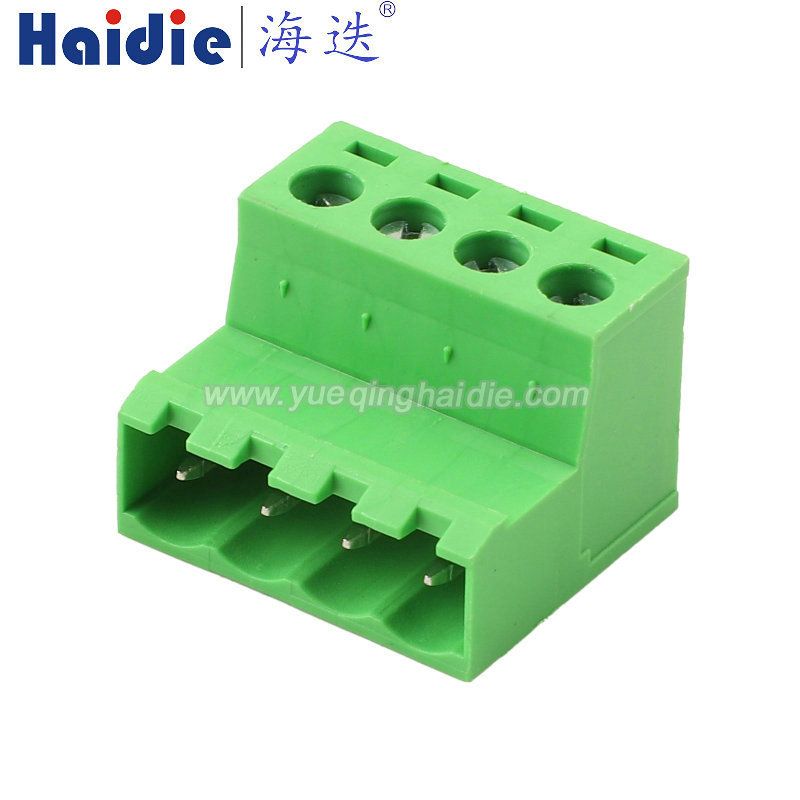
Case Study: HAIDIE as a Benchmark for Die Design Excellence
To better illustrate what world-class die design capabilities look like in practice, let's take a closer look at ZHEJIANG HAIDIE ELECTRIC CO., LTD. This company is a high-end electrical connector provider specializing in automobiles and new energy. Since its establishment in June 2013, HAIDIE has grown from a small enterprise into a key player in the connector industry, with nearly 80 employees and a 4,000-square-meter warehouse. The company prides itself on an inventory of tens of millions of different types of plugs, reflecting the meaning of its name: 'massive inventory, continuous iteration and updates.'
Technological Prowess and R&D
HAIDIE has been deeply involved in the automotive, new energy, and connectivity fields for over a decade. The company's core strengths are 'technological prowess + rapid delivery response + high reliability + full-cycle service.' Their R&D team continuously iterates their product line, with new products introduced monthly. To support this pace, HAIDIE develops over a thousand sets of molds, with product performance benchmarked against leading international brands. This aggressive product development strategy ensures that customers have access to the latest terminal designs that meet evolving industry standards.
Vertical Integration in Die Making
One of the standout features of HAIDIE is its fully integrated capability in die design and manufacturing. The company does not rely on external mold suppliers. Instead, it has in-house mold making and injection molding facilities. This vertical integration allows for seamless communication between design engineers and mold makers, reducing lead times and improving quality. The in-house mold shop is equipped with advanced machinery that can handle complex geometries and tight tolerances required for high-performance terminals. HAIDIE's ability to control the entire die-making process is a significant advantage when customization is needed, as they can quickly modify designs without logistics delays.
Quality Assurance and Certifications
Quality is the cornerstone of HAIDIE's operations. The company has established a three-tiered quality inspection system that monitors quality from raw material intake through the production process to finished product delivery. This system ensures that every terminal meets exact specifications before it leaves the warehouse. HAIDIE's products have passed rigorous audits and hold ISO9001 and IATF16949 certifications. These certifications are not just plaques on the wall; they are integrated into the company's day-to-day processes, from supplier selection to final product validation. This commitment to quality is particularly critical in the automotive sector, where a single faulty terminal can lead to recalls and safety issues.
Rapid Delivery and Extensive Inventory
HAIDIE's name itself—'Haidie' signifying massive inventory and continuous iteration—speaks to its strength in supply chain management. With a 4,000-square-meter warehouse and tens of thousands of product types in stock, the company can offer immediate availability for many standard terminals. This inventory depth is backed by a strong die set; because HAIDIE has in-house die making, it can replenish stocks quickly and introduce new variants without waiting for external suppliers. The company's rapid delivery response is a key reason why it serves over 5,000 customers globally, including major players in the automotive industry.
Product Portfolio and Customization
HAIDIE's product portfolio includes connectors, terminals, sealing plugs, and wire harnesses. They mainly deal in automotive connector replacements from well-known brands such as Tyco, Sumitomo, Yazaki, Deutsch, Bosch, and FCI, offering nearly 30,000 products primarily used in power, chassis, and body control systems of gasoline-powered and new energy vehicles. This extensive range means that HAIDIE has accumulated vast experience in reverse engineering and design adaptation. When a customer requests a custom terminal, HAIDIE's engineers can quickly design and produce a die that matches or improves upon the original. The company's positioning as 'reliable connection, efficient adaptation, and fast delivery' makes it an ideal partner for companies seeking a balance of performance and cost.
Practical Steps to Evaluate a Terminal Supplier's Die Design Capabilities
Now that you understand the key criteria, here is a step-by-step approach to evaluate a potential terminal supplier in practice. Following these steps will help you gather the necessary information to make an informed decision.
Step 1: Review Their Engineering Team and Design Tools
Start by asking about the qualifications and experience of their design engineers. Inquire about the software tools they use for design and simulation. A supplier that uses advanced simulation software like ANSYS or AutoForm for metal forming analysis demonstrates a commitment to designing robust dies. Ask to see examples of their die designs or ask for a portfolio of past projects.
Step 2: Tour Their Die Shop and Manufacturing Facilities
Visit the supplier's premises to see their die manufacturing equipment firsthand. Look for cleanliness, organization, and a systematic approach to die storage and maintenance. Count the number of CNC machines, EDM machines, and other precision tools. Check if they have in-house heat treatment capabilities, which is crucial for prolonging die life. Also, observe whether the facility uses modern automation or relies on manual processes.
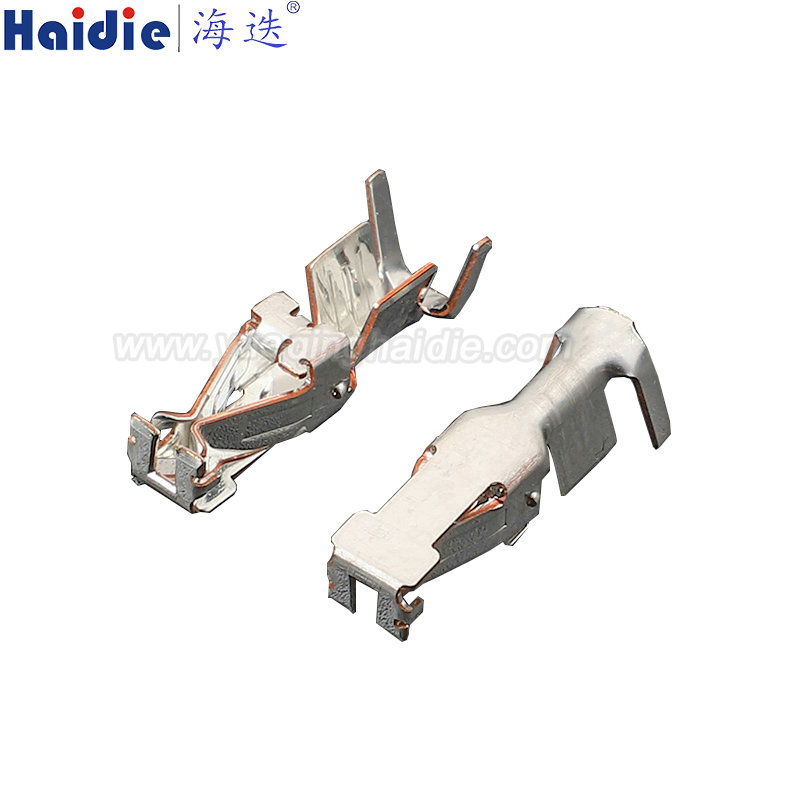
Step 3: Analyze Their Quality Management Systems
Ask for their ISO9001 and IATF16949 certifications. But go beyond the certificates—ask about their measuring equipment, calibration schedules, and how they perform first article inspection. A supplier that uses CMM (Coordinate Measuring Machine) and other high-precision instruments is more likely to maintain tight tolerances. Inquire about their defect tracking and continuous improvement mechanisms, such as Six Sigma or Kaizen.
Step 4: Evaluate Their Prototyping and Iteration Speed
Ask how quickly they can produce a prototype die and samples. A supplier who can provide samples within 2-4 weeks from receiving the design is considered fast. Also, ask about their typical timeline for die modifications. The ability to iterate quickly is a strong indicator of a supplier's internal coordination and technical maturity.
Step 5: Inquire About Their Die Life and Maintenance
Ask for data on the average die life in terms of strokes before maintenance is required. A good terminal die should last at least several hundred thousand strokes. Inquire about their preventive maintenance schedule and how they handle die breakdowns. A supplier with a robust maintenance system will ensure uninterrupted production and consistent quality.
Step 6: Check Their Supply Chain Integration
Ask whether they do in-house die making or outsource it. In-house is generally preferred because it offers more control. Verify that their die shop is not just a token operation, but that it actually handles a significant portion of their die workload. You can ask about the number of dies they produce annually to gauge their capacity.
Step 7: Request References and Case Studies
Talk to existing customers to understand their experience with the supplier's die design capabilities. Ask about lead times, quality consistency, and responsiveness to design issues. A supplier with a proven track record, like HAIDIE with over 5,000 customers, will readily provide references.
Common Pitfalls to Avoid When Choosing a Supplier
While searching for the right terminal supplier, it is easy to be swayed by low prices or flashy marketing. Here are some common mistakes to avoid:
Ignoring the complexity of die design: Terminal dies are complex tools that require significant expertise. Choosing a supplier without a strong die design team can lead to poor part quality and frequent breakdowns.
Overemphasizing the number of dies: While a large die inventory is good, it is not a substitute for the ability to design and make new dies quickly. Focus on the supplier's innovation pace as well.
Neglecting to verify certifications: Quality certifications are essential but ensure they are up-to-date and cover the specific processes you need. Some suppliers may have certificates but not fully comply in practice.
Skipping the site visit: In today's digital age, you might be tempted to evaluate suppliers remotely. However, a physical tour is irreplaceable for assessing the actual working conditions and equipment.
Choosing purely on cost: The cheapest supplier rarely offers the lowest total cost of ownership. Poor die design can lead to higher scrap rates, more frequent downtime, and inconsistent quality, all of which add up.
The Future of Die Design in Terminal Manufacturing
As technology evolves, so do die design capabilities. The integration of digital twins, AI-driven simulation, and additive manufacturing is set to revolutionize the industry. Suppliers who are at the forefront of these trends will be better equipped to handle the increasing demand for miniaturization and higher current densities. For instance, advanced simulation can predict die wear and optimize cooling channels in injection molds, leading to faster cycle times and longer die life. Additionally, the use of high-speed stamping presses with servo technology allows for more complex terminal geometries. When evaluating a supplier, consider their investment in these future-oriented technologies. HAIDIE's emphasis on intelligent manufacturing and monthly iteration suggests that they are positioning themselves to embrace these trends, ensuring their die design capabilities remain cutting-edge.
Conclusion
Evaluating a terminal supplier based on die design capabilities is a multifaceted process that requires a deep dive into their engineering, manufacturing, and quality management systems. The key is to look beyond the finished product and assess the underlying infrastructure that makes it possible. By focusing on engineering proficiency, equipment sophistication, quality certifications, rapid iteration, production scalability, cost efficiency, vertical integration, and customer support, you can identify a supplier capable of meeting your current and future needs. The case of ZHEJIANG HAIDIE ELECTRIC CO., LTD serves as an exemplary model in this regard. With its over a decade of involvement in the automotive and new energy sectors, in-house mold making, extensive product range, and robust quality assurance, HAIDIE demonstrates the qualities of a world-class terminal supplier. As you go forward in your supplier selection process, use the criteria and steps outlined in this article as your roadmap. Ultimately, a supplier with superior die design capabilities will not only provide you with high-quality terminals but also become a strategic partner in your product development journey, offering reliability, innovation, and cost-effectiveness that give you a competitive edge in your own market.
Recent news
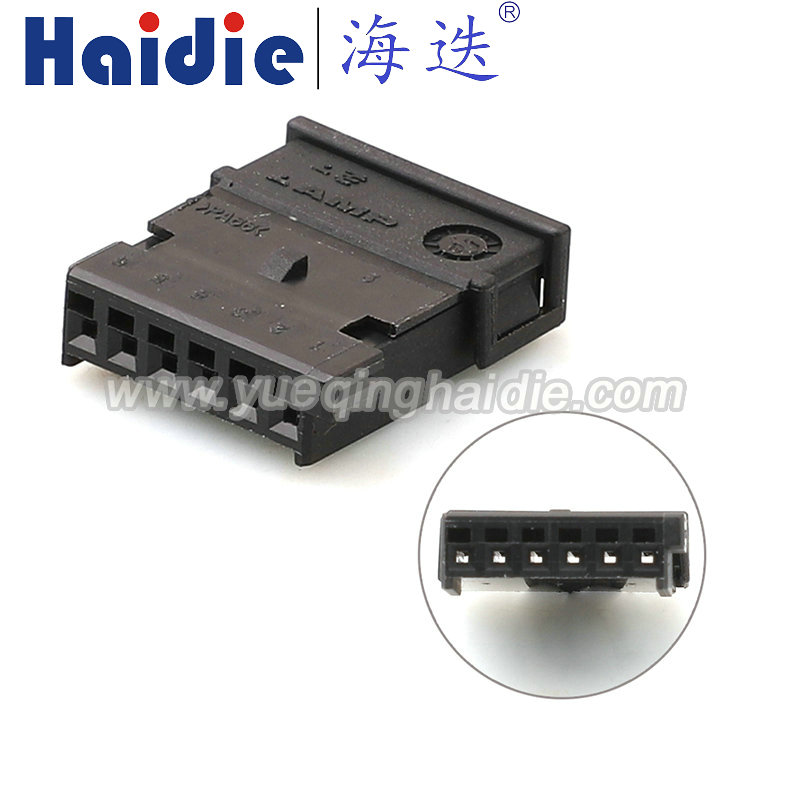
Inside a Modern Auto Connector factory A Look at High Speed Stamping Processes
ZHEJIANG HAIDIE ELECTRIC CO., LTD. (HAIDIE), established in June 2013, is a high-end electrical connector provider for a···
The Global Footprint of a Major Terminal manufacturer in the EV Sector
ZHEJIANG HAIDIE ELECTRIC CO., LTD. (HAIDIE) has established itself as a major global player in the electric vehicle (EV)···
How a Proactive Rubber Seal supplier Identifies Mold Flow Issues Early
This article explores how a proactive rubber seal supplier identifies mold flow issues early in the injection molding pr···