
Industry Dynamic
The Importance of Sample Lead Times When Choosing a Terminal supplier
Oct 22,2026
Sample lead times are a crucial yet often undervalued factor in selecting a terminal supplier, directly impacting product development speed, cost, and market competitiveness. This article examines why sample lead times matter, from enabling rapid design iterations and reducing time-to-market to lowering inventory and quality costs. It highlights the strategic role of in-house tooling, massive inventory, and robust quality systems in shortening lead times, using ZHEJIANG HAIDIE ELECTRIC CO., LTD. (HAIDIE) as a prime example. Founded in 2013, HAIDIE boasts a 4,000 sqm warehouse with tens of millions of components, nearly 30,000 products, and a three-tiered quality inspection system certified under ISO9001 and IATF16949. With in-house injection molding and mold making, HAIDIE can deliver stock samples within 24-48 hours and custom samples often in 1-2 weeks, a remarkable feat that accelerates customer R&D and provides a competitive edge. The article offers practical best practices for buyers, such as incorporating sample lead times into supplier selection matrices, verifying supplier performance, and building collaborative partnerships. A comparative table contrasts typical lead times, demonstrating HAIDIE's advantage. As the connector industry advances, fast sample lead times are becoming a norm, and suppliers like HAIDIE are leading the way. Choosing a supplier with quick, reliable sample delivery is an investment in speed and quality, ultimately enabling organizations to launch better products sooner and build stronger supply chain relationships.
In the fast-paced world of manufacturing and electronics, the selection of a terminal supplier is a critical decision that can determine the success or failure of a product launch. Among the many factors that engineers and procurement professionals consider—cost, quality, reliability, and technical support—one often overlooked yet highly influential element is the sample lead time. Sample lead time, or the time it takes for a supplier to deliver prototype or sample parts for evaluation, is not merely a logistics detail. It is a strategic variable that affects every stage of the product development cycle, from initial design to final production ramp-up. This article explores why sample lead times are so important when choosing a terminal supplier, and how a supplier like ZHEJIANG HAIDIE ELECTRIC CO., LTD. (HAIDIE) has built its reputation around rapid and reliable sample delivery, thereby becoming a trusted partner for thousands of customers worldwide.
For any company developing a new product or modifying an existing one, the availability of sample components is the first tangible step towards the realization of a concept. Engineers need physical samples to evaluate fit, form, and function, to test electrical connectivity, and to ensure that the component meets the stringent requirements of the application. Without timely samples, design iterations slow down, cross-functional teams lose momentum, and competitors may gain an edge. In industries such as automotive and new energy vehicles, where the pace of innovation is relentless, the ability to compress development cycles can be a decisive market advantage. Therefore, understanding and optimizing sample lead times is not just about convenience; it is a core competency for any organisation that seeks to be first to market with a high-quality solution.
This article delves into the many dimensions of sample lead times: what they are, how they vary among suppliers, their impact on cost and quality, and the best practices for evaluating them. It also presents a real-world example of a supplier that has made sample responsiveness a cornerstone of its value proposition—HAIDIE, a leading provider of automotive and new energy connectors. By examining HAIDIE's operational strengths, including its massive inventory, advanced warehouse facilities, and commitment to fast delivery, we can see how a supplier's sample lead-time performance translates directly into benefits for customers, from reduced risk to lower total cost of ownership.
Understanding Sample Lead Times
Sample lead time is the duration between the moment a customer requests a sample—whether it be a standard product from a catalog or a custom-designed component—and the moment the sample is physically in the customer's hands. This time window includes several distinct phases: order processing, production or retrieval from stock, quality inspection, packaging, and shipping. For standard off-the-shelf parts, the lead time may be as short as a day or two if the supplier has adequate stock. For custom parts that require mold making or special tooling, the lead time can extend to weeks or even months. In any case, the sample lead time is often considered a proxy for a supplier's overall operational agility and customer-centricity.
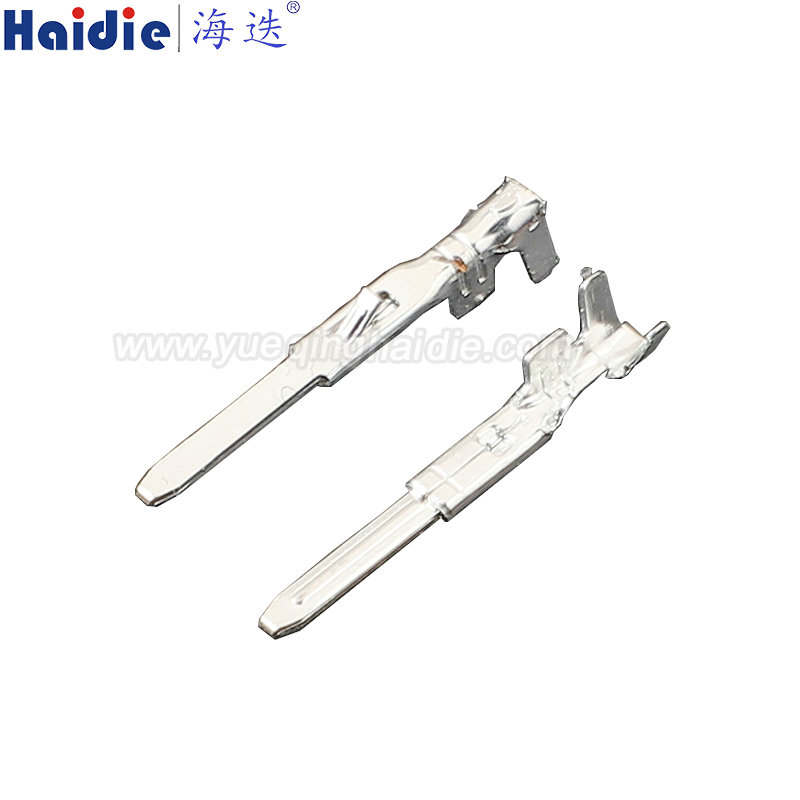
It is important to distinguish between sample lead time and production lead time. While production lead time pertains to bulk orders and typically involves longer durations due to volume and scheduling complexities, sample lead time is specifically about providing small quantities, often at a faster pace, to support design validation and prototyping. Many suppliers treat samples as a necessary inconvenience, but leading suppliers understand that a positive sample experience is often the decisive factor that wins a customer's full-fledged orders. Therefore, they invest in infrastructure and processes to minimize sample lead times, recognizing that today's sample may become tomorrow's high-volume purchase.
Different types of terminal suppliers exhibit a wide range of sample lead times. Some suppliers, particularly those with large manufacturing plants, may have a sample lead time of two to six weeks because they need to schedule production runs. Others, especially those with a substantial distribution network or a comprehensive finished-goods inventory, can deliver samples within days. The variation is also influenced by the complexity of the terminal: a simple crimp terminal may be readily available, while a multi-pin connector housing with integral features may require custom molding and thus a longer lead time. When choosing a supplier, it is essential to look beyond the promised lead time and to verify it through actual performance—a supplier may advertise quick samples but fail to deliver on time.
Another key aspect of sample lead times is the quality of the sampling process. A sample that arrives prematurely but with defects can be as harmful as one that arrives late. Effective sample lead-time management combines speed with accuracy: the sample must not only arrive quickly but also conform exactly to the specification, batch traceability, and documentation standards. Suppliers with robust quality management systems, such as those certified under ISO9001 and IATF16949, are more likely to provide samples that are truly representative of production parts. HAIDIE, for instance, has implemented a three-tiered quality inspection system from raw material intake to production process to finished product delivery, ensuring that the samples engineers receive are reliable and consistent.
The Strategic Impact on Product Development
The importance of sample lead times becomes especially pronounced during the product development phase. In modern engineering, time-to-market is often the single most important metric for success, especially in technology-driven sectors like automotive electronics and renewable energy systems. Every day saved in the development schedule translates into earlier revenue generation, enhanced market reputation, and the ability to respond quickly to changing consumer demands. When engineers have to wait weeks for a sample, project timelines slip, and the ripple effect across the entire organisation can be devastating. Conversely, when a supplier can deliver a sample within two to three days, engineers can accelerate their design iterations, test more alternatives, and finalize the design with confidence.
Consider a scenario where a design engineer is developing a wiring harness for a new electric vehicle model. The harness includes dozens of terminal types, each requiring a specific crimp profile and connector interface. If the supplier's sample lead time is five weeks, the engineer will have to order all the terminals far in advance, based on preliminary designs, and then wait anxiously to see if they are correct. If any terminal fails the initial testing, the engineer must re-design and then wait another five weeks for a new sample. This back-and-forth can easily cost six months of development time. In contrast, a supplier like HAIDIE, with its inventory of tens of millions of different types of plugs and a 4,000-square-meter warehouse, can often dispatch samples within 24 to 48 hours. This allows engineers to test and iterate rapidly, shortening the overall development cycle by a significant margin.
Moreover, in the context of highly regulated industries such as automotive, sample validation is a prerequisite for formal certification. The processes of design verification (DV) and production validation (PV) require physical samples to be tested against rigorous standards, including temperature cycling, vibration, and electrical endurance. If a supplier cannot provide samples quickly, the entire certification timeline is extended. This is particularly problematic in the new energy vehicle market, where government incentives and emission regulations are pushing manufacturers to introduce new models faster than ever before. A supplier with a quick sample turn-around becomes a strategic partner, enabling OEMs and Tier 1 suppliers to meet their development milestones without unnecessary delays.
Another subtle but critical impact is on the morale and productivity of the engineering team. When samples are unavailable, engineers are forced to idle or switch to less critical tasks. This disrupts the flow of work and can lead to a loss of focus. In contrast, an on-time sample delivery keeps the momentum going, fostering a collaborative relationship between the customer and the supplier. Engineers are more likely to share feedback and engage in joint problem-solving if the supplier demonstrates a genuine commitment to responsiveness. In turn, this leads to a more robust design and a smoother transition into production.
Cost Implications of Sample Lead Times
It might be tempting to think that sample lead times only affect the development timeline, but they also have a direct and significant impact on costs. One of the most obvious cost effects is the cost of expedited shipping. When suppliers miss the promised sample date, customers often have to air-ship the components at their own expense to keep the project on track. These freight costs can be exorbitant, especially for international shipments, and they are completely avoidable if the initial lead time is accurate and manageable. A supplier that can consistently deliver samples on time or early eliminates the need for such emergency arrangements, allowing customers to plan their budgets with confidence.
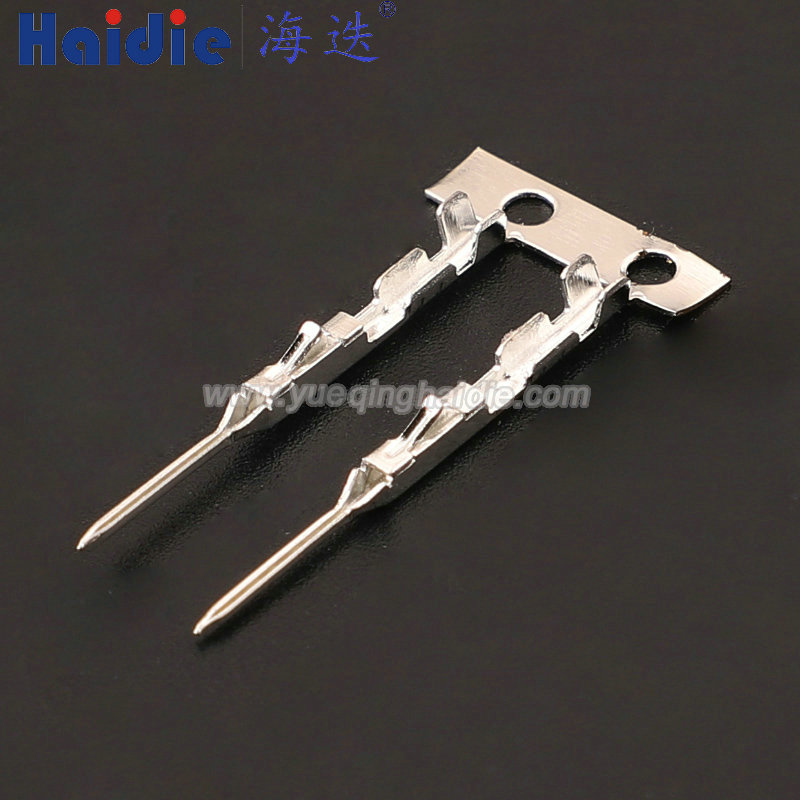
There is also an intangible but real cost associated with delayed product launches. Every day of delay in the market can result in lost sales, reduced market share, and diminished brand value. This is especially acute in consumer electronics and automotives, where first-mover advantage matters. For example, if a new mid-size crossover SUV from a leading manufacturer is delayed by three months because the supplier of a specific terminal connector could not provide samples in time, the manufacturer might lose millions of dollars in revenue, not to mention damage to its reputation among early adopters. Sample lead time is therefore not a trivial procurement detail; it is a financial lever that can determine the profitability of an entire product line.
Furthermore, longer sample lead times often force customers to place larger initial orders to ensure they have sufficient inventory for multiple testing rounds. This ties up working capital in parts that may ultimately prove obsolete if the design changes. On the other hand, a supplier with a fast sample lead time enables a just-in-time approach to sampling. Customers can order only the exact quantities they need for each test phase, minimizing the risk of surplus inventory. This is particularly important in the connector industry, where designs evolve rapidly and where overstocking can lead to significant write-offs.
Additionally, sample lead times affect the cost of quality. When samples are delivered late, testing departments may have to rush tests, compromising the thoroughness of verification. This can allow defective designs to slip through to production, resulting in field failures, warranty claims, and even recalls. The cost of a recall in the automotive industry is astronomical, not only in direct financial terms but also in terms of liability and brand trust. By ensuring that samples arrive in time for adequate testing, suppliers play a vital role in the overall quality assurance strategy of the customer.
Quality, Reliability, and the Sample Reference
Sample lead times are also intimately connected to the quality and reliability of the final product. In engineering, a sample is not just a random piece; it is a reference that should be representative of the production run. If the supplier rushes to produce a sample without proper quality control, the sample may differ from the final production parts in terms of material thickness, plating, or dimensional accuracy. This can mislead the customer into approving a design that is unmanufacturable or unreliable in the long run. Therefore, a fast sample lead time should never come at the expense of quality. Suppliers must balance speed with rigorous inspection and validation to ensure that the sample truly represents the product that will be delivered in mass quantities.
HAIDIE demonstrates how this balance is achieved. With a three-tiered quality inspection system that monitors raw materials, production processes, and finished goods, HAIDIE ensures that every sample is checked against strict specifications before it leaves the warehouse. The company's internal labs and certification processes, such as ISO9001 and IATF16949, provide a documented framework for quality management. Additionally, HAIDIE's practice of continuously iterating its products—by developing over a thousand sets of molds per year—means that samples are produced using the same tooling and processes as the final production. This consistency gives customers confidence that the tested samples will behave gracefully in high-volume manufacturing.
Reliability goes beyond the sample itself. It also encompasses the reliability of the supply relationship. A supplier that can consistently meet sample lead times demonstrates organizational discipline and a customer-oriented culture. This discipline is likely to be replicated in production deliveries, making the supplier a dependable partner for the full life cycle of the product. In contrast, a supplier that misses sample deadlines repeatedly is a red flag, indicating potential issues in capacity planning, resource allocation, or management commitment. In this sense, sample lead time is a litmus test for the supplier's overall reliability.
In highly demanding applications such as automotive brake systems, engine control units, or battery management in electric vehicles, the reliability of electrical terminals cannot be compromised. These components are exposed to extreme temperatures, vibration, moisture, and corrosive environments. Any failure can lead to catastrophic consequences. Therefore, engineers must thoroughly validate samples under realistic conditions. A quick but high-quality sample allows rigorous testing to be conducted early and often, ensuring that the design is robust enough for the intended environment. This not only improves product reliability but also reduces the risk of after-sales problems, thereby lowering the total cost of ownership for the end user.
Evaluating a Supplier's Sample Lead-Time Capability
Given the strategic importance of sample lead times, procurement professionals and design engineers need to develop a systematic approach to evaluating potential suppliers. The first step is to gather data on the supplier's current sample lead time performance across various product categories. This information can be obtained through official requests for quotation (RFQs), through direct inquiries, or independent channel checks. However, one should approach the supplier's stated lead times with a healthy degree of skepticism until they are confirmed by transactional evidence, such as references from existing customers or an audit of the supplier's order management system.
Question to ask a supplier includes: What is your standard lead time for stock items? What is your lead time for custom-made samples? Are there any fees associated with sample requests? Do you offer free samples? How quickly do you respond to sample inquiries? How do you prioritize urgent requests? What is your average on-time delivery rate for samples? What steps do you take to ensure sample quality? These questions reveal the supplier's capabilities and commitment. A world-class supplier will have clear, standardized answers, and might even offer to send samples in a matter of days for commonly used parts.
Another important factor is the supplier's geographic location and distribution network. A local supplier or one with regional warehouses can drastically shorten the sample lead time because shipping times are reduced. For example, HAIDIE, based in China, serves over 5,000 customers globally. It has a large warehouse and inventory in Zhejiang, and its partnership with global logistics companies enables fast shipping to international destinations. When evaluating a supplier, consider the proximity to the customer's own production or R&D sites and the transportation links.
Moreover, a supplier's technical capability is closely related to sample lead times. A supplier that has in-house mold making and injection molding capabilities, as HAIDIE does, can rapidly manufacture custom samples without outsourcing delays. This vertical integration reduces communication overhead and avoids the waiting times associated with external tooling shops. In contrast, a supplier that relies on subcontractors for tooling might have longer lead times due to scheduling conflicts and logistics. Therefore, an evaluation of sample lead times should also include an evaluation of the supplier's vertical integration and manufacturing depth.
Finally, it is valuable to assess the supplier's willingness to support the customer during the pre-sampling phase. A truly customer-centric supplier will work with the engineer to refine the specification, suggest alternative materials, and even recommend design optimizations before the sample is made. This proactive support can reduce the number of iterations required, thereby indirectly reducing the effective sample lead time (the total time from the initial concept to an approved sample). HAIDIE, as a full-service provider, offers selection, design, and processing assistance, allowing customers to benefit from their deep industry knowledge and product expertise.
HAIDIE: A Case Study in Rapid Sample Delivery
To understand the practical importance of sample lead times, let us examine the operations of ZHEJIANG HAIDIE ELECTRIC CO., LTD., abbreviated as HAIDIE. Founded in June 2013, HAIDIE is a high-end electrical connector provider specializing in automobiles and new energy technologies. The company's name signifies 'massive inventory, continuous iteration and updates,' which is not just a marketing slogan but a strategic philosophy that directly influences sample lead times. With a 4,000-square-meter warehouse and an inventory of tens of millions of different types of plugs, HAIDIE can fulfill a remarkable percentage of sample requests directly from stock, often within 24 to 48 hours.
HAIDIE's core products cover connectors, terminals, sealing plugs, and wire harnesses. They focus on the mid-to-high-end electrical connection market, emphasizing domestic substitution and customized services. This market position has led the company to develop a vast product range: nearly 30,000 products that are primarily compatible with major global brands such as Tyco, Sumitomo, Yazaki, Deutsch, Bosch, and FCI. These products are used in the power, chassis, and body control systems of both gasoline-powered vehicles and new energy vehicles. Having such a broad inventory means that most standard samples are instantly available, eliminating the need for production wait times.
For custom samples, HAIDIE's in-house capabilities in injection molding, mold making, and wire harness processing allow rapid prototyping. The company develops over a thousand sets of molds annually, with product performance benchmarked against leading international brands. This rapid tooling capability enables HAIDIE to produce custom samples in a matter of days or weeks, depending on the complexity, rather than the months that would be required if they had to outsource. This is a significant advantage for customers who need non-standard components for specialized applications in the automotive and clean energy sectors.
HAIDIE's mission is to achieve one-stop service through resource integration and to become the most professional connector platform in China. This mission is realized through a combination of technological prowess, rapid delivery response, high reliability, and full-cycle service. The company has established a three-tiered quality inspection system that scrutinizes samples at every stage, from raw material intake to production process to finished product delivery. Their adherence to ISO9001 and IATF16949 standards further assures customers of the quality and consistency of the samples, which are often indistinguishable from mass-produced parts.
Moreover, HAIDIE's human resources and operational philosophy contribute to its fast sample lead times. The company nearly 80 employees are trained to handle sample requests with a sense of urgency, and the warehouse team is optimized for efficient picking, packing, and dispatching. This organizational agility is sustained by a company culture that values customer responsiveness. In an industry where many suppliers treat samples as an afterthought, HAIDIE differentiates itself by treating every sample request as an opportunity to demonstrate its capabilities and build a long-term relationship.
The practical results for customers are tangible. A manufacturer of electric powertrains, for example, might need a specific sealing plug and a few terminals to test a new battery pack design. Instead of waiting a month for the sample from a traditional supplier, they can contact HAIDIE and receive the parts within three days, sometimes sooner. This speed enables the customer to conduct immediate fit-and-function tests, validate the design with confidence, and present the proof-of-concept to management or investors without delay. In competitive R&D environments, this time saving can be the difference between winning a contract or losing it to a rival.
Comparative Analysis of Sample Lead Times
To make informed decisions, purchasing teams often create a comparative matrix of potential suppliers, evaluating factors such as price, quality, minimum order quantity, and sample lead time. Below is an illustrative table that contrasts the typical sample lead times of three types of suppliers: a traditional high-volume manufacturer, a mid-sized regional distributor, and an agile supplier like HAIDIE with a large inventory and in-house production.
| Supplier Type | Stock Sample Lead Time | Custom Sample Lead Time | In-House Tooling | Quality Certifications |
| High-volume Manufacturer | 2-4 weeks | 4-8 weeks | Yes | ISO9001, IATF16949 often |
| Mid-sized Distributor | 1-3 weeks | 3-6 weeks | No | ISO9001 sometimes |
| HAIDIE | 24-48 hours | 1-2 weeks | Yes | ISO9001, IATF16949 |
As the table indicates, HAIDIE's sample lead times are order-of-magnitude quicker for stock items, and even for custom samples, the in-house tooling capability cuts weeks off the typical process. This can have a profound effect on a development project. Imagine a scenario where a customer has to evaluate three different suppliers. Supplier A has a stock sample lead time of three weeks, Supplier B one week, and HAIDIE two days. The customer can receive HAIDIE's sample and potentially qualify it for their application while still waiting for samples from the other two. By the time the other samples arrive and are tested, HAIDIE might have already helped the customer revise the design and prepare for production. This time advantage translates into a competitive advantage for the customer, making HAIDIE the preferred partner.
It is also important to consider the difference between lead times for samples that are immediately ship-ready versus those that require additional tooling or engineering. HAIDIE's advanced mold-making capability ensures that even complex new designs are not subject to the long schedules typical of external tool shops. In many cases, HAIDIE can deliver custom samples in under a week, a feat that many suppliers cannot match. This is not accidental; it is a direct result of the company's investments in automation and skilled personnel.
Best Practices for Buyers and Engineers
To leverage sample lead times as a strategic advantage, buyers and engineers should adopt a proactive approach in their supplier selection process. Here are several best practices that can help organizations make the most of sample lead times when choosing a terminal supplier:
Incorporate sample lead time into the selection criteria from the very beginning, with a clear weight in the overall scoring model. For example, a supply base with fast sample lead times could receive a 30% weight, reflecting its importance in accelerating the development cycle.
Request a formal sample lead-time commitment during the RFQ process. Ask the supplier to specify, in writing, the lead times for both standard and custom samples. This creates a contractual baseline and helps to manage expectations.
Verify the supplier's past performance by asking for recent sample delivery data or contacting references. If possible, ask the supplier to share a few examples of customers who have received samples within a guaranteed timeframe.
Build buffer times into your project schedule to account for unforeseen sample delays, but do not use this buffer as an excuse to accept a supplier with a long lead time. Continuous improvement in lead times should be a goal for both parties.
Consider the total cost of ownership, not just the price per unit. A cheaper supplier with a long sample lead time may end up costing more due to delayed time-to-market and expedited shipping. Calculate the financial impact of a one-week change in sample lead time on your project's net present value and use that to negotiate lower prices or faster services.
Develop a close partnership with the supplier's technical team. Share your design roadmap and early-stage requirements. Suppliers like HAIDIE often have extensive experience and can offer valuable design-for-manufacturing advice that minimizes sample iterations and reduces lead times.
Take advantage of free or low-cost sample programs. HAIDIE and other customer-focused suppliers offer free samples for many standard products. This reduces the financial risk of testing multiple alternatives and encourages more thorough validation.
Use digital tools to streamline the sample ordering process. Suppliers with online portals or fast quotation systems can reduce the processing time on both sides. HAIDIE's commitment to rapid response is reflected in their ability to handle inquiries and orders efficiently.
In addition to these best practices, it is essential to maintain a transparent and collaborative communication channel with the supplier. If a project unexpectedly requires a sample sooner than originally planned, notify the supplier immediately and ask if an expedited option is available. A supplier that is willing to accommodate such urgent requests, even at a premium cost, demonstrates a high level of customer service and flexibility. HAIDIE, with its 'massive inventory' positioning, is often able to meet such urgent needs without additional charges, thanks to the availability of stock.
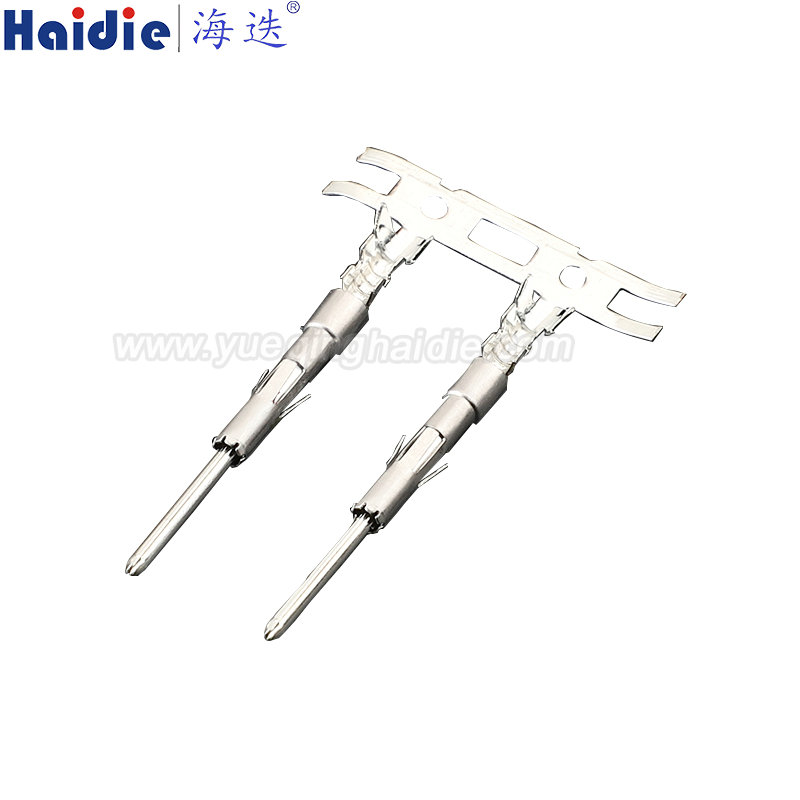
Another best practice is to consolidate sample requests to reduce the number of separate shipments. Instead of ordering one terminal today and another next week, try to bundle all required samples for a specific project into a single purchase order. This reduces shipping costs and administrative overhead, and it may also allow the supplier to prioritize the entire kit as a single request. HAIDIE's broad product range makes it easy to source multiple terminals, connectors, and wire harness components from a single point of contact, further simplifying the process.
Finally, remember that sample lead times are not set in stone. As the relationship with the supplier develops, regular performance reviews can lead to negotiated improvements. Many suppliers, including HAIDIE, are committed to continuous improvement and are open to committing to ever-faster lead times as they optimize their inventory and processes. Buyers should track supplier performance metrics over time and incorporate these into the supplier scorecard. This data-driven approach ensures that sample lead times remain a competitive dimension and not an afterthought.
The Future of Sample Lead Times in the Connector Industry
As the demand for connectivity solutions continues to rise, especially with the growth of electric vehicles, renewable energy systems, and industrial automation, the importance of sample lead times will only grow. New technologies, such as 3D printing, are beginning to revolutionize the prototyping market. Already, some suppliers are using additive manufacturing to produce high-fidelity connector prototypes within 24 hours, without the need for expensive tooling. This trend will likely accelerate, making fast sample lead times the norm rather than the exception. However, even with these advances, the fundamental principles of inventory management, in-house tooling, and customer focus will remain decisive.
HAIDIE recognizes this future and is actively investing in its capabilities. With a vision to become the most competitive connector brand, the company is expanding its product range and enhancing its technical support. The company's monthly product iterations and over one thousand mold sets are designed to bring innovations to market faster, giving customers the latest technology ahead of their competitors. In this way, HAIDIE is not only meeting current sample lead-time expectations but also setting new benchmarks for the industry.
For customers, the ability to access rapid samples is likely to shift the entire product development paradigm. Already, many companies are moving towards agile methodologies, where prototypes are created and tested in small, iterative steps. This requires a supply chain that is equally agile. A terminal supplier with short sample lead times becomes an enabler of this agility, allowing engineering teams to explore more design alternatives in less time and ultimately deliver better products to the market. In contrast, a supplier with long lead times forces companies to follow a cumbersome 'waterfall' development process, where design changes are costly and slow.
Another trend is the increasing digitalization of the sample ordering process. Many suppliers now offer online catalogs with real-time inventory and instant ordering. HAIDIE, for example, has a huge selection of products from major brands, and customers can quickly search for part numbers and verify availability. This transparency reduces the back-and-forth communication and allows customers to place sample orders at any time of day or night. In the future, we may see integrated platforms that directly connect engineers with such suppliers, making the entire sample acquisition process as simple as buying a consumer product online.
It is also worth noting the role of regulations and standards in shaping sample lead times. As industries like automotive adopt more rigorous safety standards, the need for documentation and traceability increases. A supplier that can provide samples with complete documentation, including material certificates and test reports, adds value beyond the physical part. This documentation must be accurate and timely, and it often requires the same level of care as the sample itself. HAIDIE's quality systems ensure that samples are accompanied by the necessary certifications, enabling customers to expedite their own internal approvals.
Conclusion
In conclusion, the sample lead time is a critical factor in the selection of a terminal supplier, with far-reaching implications for product development speed, cost, quality, and competitive advantage. It is not merely a logistics metric but a reflection of the supplier's operational excellence, technical capability, and customer orientation. When choosing a terminal supplier, companies must evaluate sample lead times carefully, considering both the standard stock items and custom products, and verify the supplier's claims through references and past performance.
The case of ZHEJIANG HAIDIE ELECTRIC CO., LTD. vividly demonstrates how a supplier can transform sample lead times into a strategic advantage. With its massive inventory, 4,000-square-meter warehouse, in-house mold making and injection molding capabilities, and a corporate philosophy dedicated to rapid delivery, HAIDIE has set a new standard in the industry. Customers who choose HAIDIE can expect to receive samples in days rather than weeks, enabling them to innovate faster, reduce costs, and deliver reliability. In an era where speed and agility separate market leaders from followers, sample lead time is a decisive battleground. As the connector industry evolves, the companies that prioritize fast, reliable sample delivery will not only win orders but also build lasting partnerships with their customers. Therefore, when evaluating terminal suppliers, make sample lead time a top priority, and consider suppliers like HAIDIE that have made it a core competency.
Ultimately, the choice of a terminal supplier is a partnership decision. A supplier's willingness to support the sampling phase is indicative of its commitment to the entire product life cycle. By choosing a supplier with short sample lead times and proven performance, organizations can de-risk their development schedules, streamline their purchasing processes, and bring high-quality products to market with confidence. The importance of sample lead times cannot be overstated: it is the bridge between a concept and a tangible, tested reality. Never underestimate the power of being able to hold that first physical sample in your hand—because every single step from that moment on is built on the foundation of timely, accurate, and functional samples.
Recent news
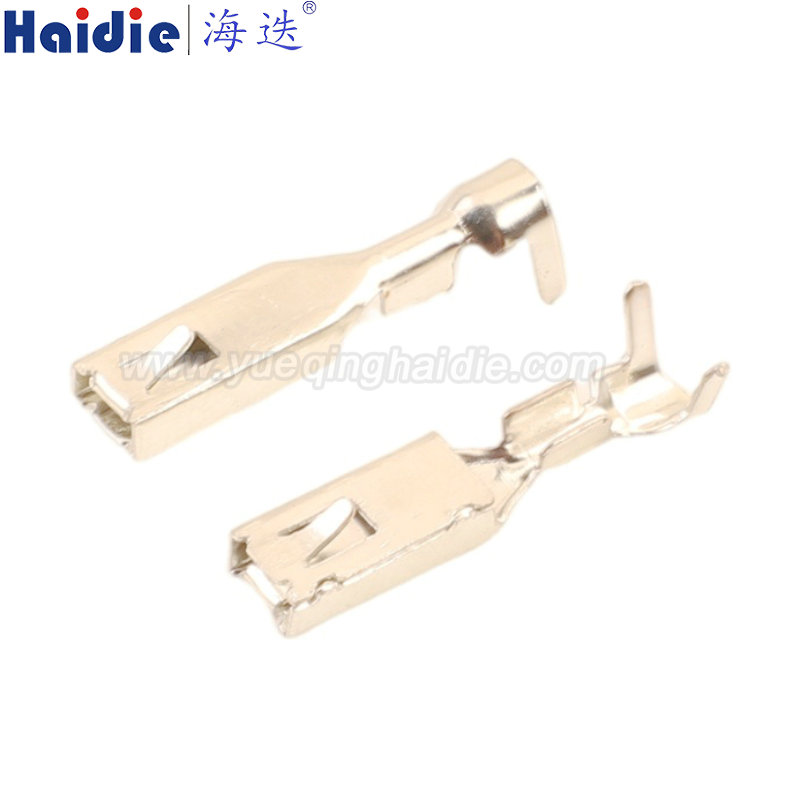
The Importance of Sample Lead Times When Choosing a Terminal supplier
Sample lead times are a crucial yet often undervalued factor in selecting a terminal supplier, directly impacting produc···

How a Rubber Seal factory Optimizes Cure Times for Maximum Throughput
The article explores how a rubber seal factory can optimize cure times to achieve maximum throughput without sacrificing···
The R and D Investment of a Leading Rubber Seal manufacturer in FKM Compounds
The article explores the pivotal role of R&D investment in FKM compounds for a leading rubber seal manufacturer, usi···