
Industry Dynamic
The Safety Protocols Essential in a High Voltage Wire Harness factory
Nov 05,2026
The article provides a comprehensive overview of the essential safety protocols required in a high voltage wire harness factory, using ZHEJIANG HAIDIE ELECTRIC CO., LTD. as a practical example. It begins by explaining the high-risk nature of wire harness manufacturing, where processes like cutting, crimping, and testing involve hazardous voltages and machinery. The article emphasizes that safety protocols are not optional but critical for protecting workers, ensuring quality, and maintaining operations. Key areas covered include Personal Protective Equipment (PPE), electrical safety (lockout/tagout, grounding, insulated tools), machine guarding, material handling, chemical safety, fire safety, and emergency response. Training and certification, including ISO9001 and IATF16949, are highlighted as indispensable to maintaining a safe workforce. The article also discusses the symbiotic relationship between quality control and safety, detailing Haidie's three-tiered inspection system and traceability practices. The case study of Haidie demonstrates how a real company integrates safety into its culture, managing a vast inventory and diverse product range while serving over 5,000 global customers. The conclusion asserts that safety protocols are foundational to the industry, and companies like Haidie exemplify how investing in safety leads to reliability, competitiveness, and long-term success. The summary distills the core message: in high voltage wire harness manufacturing, safety is the cornerstone of excellence.
In the realm of modern manufacturing, few environments demand as much vigilance and meticulous attention to safety as a high voltage wire harness factory. These facilities are where the intricate networks of cables and connectors that power our vehicles, industrial machinery, and renewable energy systems are born. The process, while fascinating, involves significant risks—electrical hazards, heavy machinery, chemical exposures, and more. As a result, robust safety protocols are not optional; they are the lifeblood of the operation. This comprehensive guide explores the essential safety measures that must be in place to protect workers, ensure product quality, and maintain operational continuity, drawing on the exemplary practices of industry leaders like ZHEJIANG HAIDIE ELECTRIC CO., LTD., a company that has made safety and reliability its hallmark.
Understanding High Voltage Wire Harness Manufacturing
Before delving into safety protocols, it is crucial to understand what happens inside a high voltage wire harness factory. These facilities specialize in the design, assembly, and testing of wire harnesses—bundles of wires, connectors, terminals, and protective sleeves that transmit electrical power and signals. In the context of high voltage applications, such as electric vehicles (EVs) and industrial power systems, these harnesses carry currents that can be lethal if mishandled. The manufacturing process involves cutting wires to precise lengths, stripping insulation, crimping terminals, inserting connectors, and performing rigorous electrical testing. Each step presents unique hazards that require targeted safety measures.
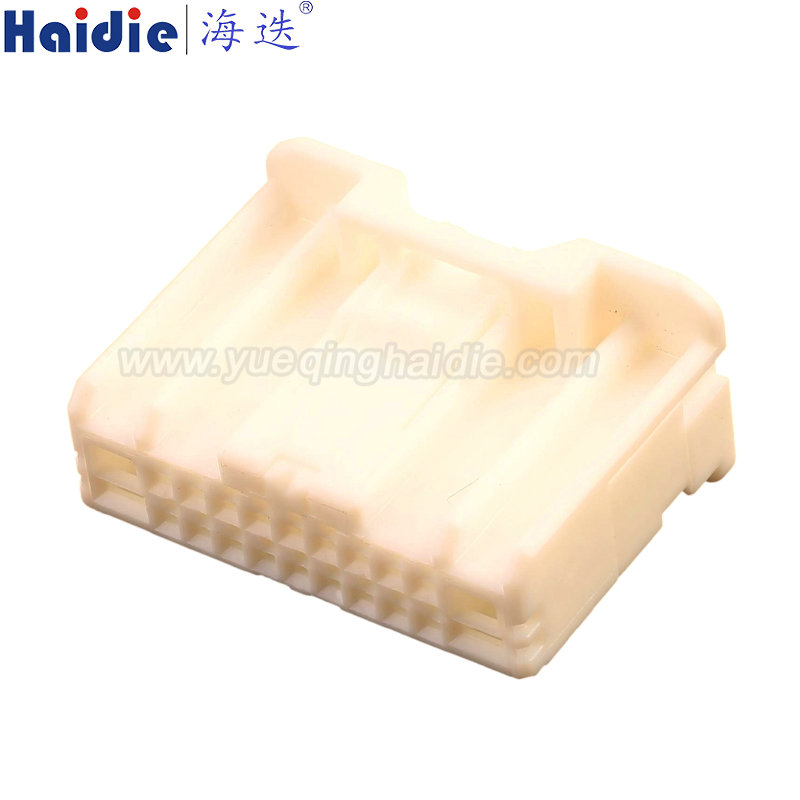
At ZHEJIANG HAIDIE ELECTRIC CO., LTD., established in June 2013, the company has grown to become a key player in this domain. With nearly 80 employees and a sprawling 4,000 square meter warehouse, Haidie has positioned itself as a solution provider for automotive connectors and wire harnesses. The company's name itself signifies "massive inventory, continuous iteration and updates," reflecting its commitment to innovation and reliability. But beyond the business metrics, Haidie's operational philosophy is deeply rooted in safety and quality, a fact that resonates throughout its manufacturing floors. The company primarily engages in sales, injection molding, mold making, wire harness processing, and the selection, design, and processing of automotive connectors and kits. This breadth of activity means that safety protocols must cover a wide range of processes, from plastic injection to metal crimping.
The Cornerstone: Personal Protective Equipment (PPE)
When it comes to protecting workers in a high voltage wire harness factory, Personal Protective Equipment (PPE) is the first line of defense. PPE is essential in mitigating the risk of electrical shock, burns, cuts, and eye injuries. The following table outlines the critical PPE items required in this environment:
| PPE Item | Purpose | Example |
|---|---|---|
| Insulated Gloves | Protect against electrical shock | Class 00 rubber gloves |
| Safety Glasses | Shield eyes from sparks and debris | Impact-resistant goggles |
| Flame-Resistant Clothing | Prevent burns from arc flashes | Nomex suits |
| Steel-Toe Boots | Protect feet from heavy objects | ANSI-approved work boots |
| Hearing Protection | Reduce noise-induced hearing loss | Earplugs or earmuffs |
At Haidie, every employee entering the production area is required to wear appropriate PPE. The company conducts regular PPE training and enforces compliance through daily inspections. This is especially critical because Haidie handles components from global brands such as Tyco, Sumitomo, Yazaki, Deutsch, Bosch, and FCI, covering nearly 30,000 product types. The diversity of these products means that workers encounter a wide array of materials, some of which may have sharp edges or conduct electricity, making PPE non-negotiable.
PPE Maintenance and Replacement
Simply providing PPE is not enough; it must be maintained and replaced when worn or damaged. Haidie has established a strict PPE lifecycle management program. Insulated gloves are periodically tested for dielectric strength, while safety glasses are replaced immediately if scratched or cracked. This proactive approach minimizes the risk of PPE failure at critical moments.
Electrical Safety Protocols
Given the nature of high voltage wire harnesses, electrical safety is paramount. The factory operates with voltages that can exceed hundreds of volts, especially during testing phases. The following protocols are essential:
Lockout/Tagout (LOTO): Before any maintenance or repair on electrical equipment, all energy sources must be isolated and locked out. Haidie enforces a rigorous LOTO procedure, ensuring that only authorized personnel can remove locks after verifying zero energy state.
Proper Grounding: All equipment and workstations must be grounded to prevent static discharge and accidental contact with live circuits. Haidie's manufacturing floor is equipped with anti-static flooring and grounding straps.
Insulated Tools: Workers must always use insulated tools that are rated for the voltage levels present. Haidie provides certified insulated screwdrivers, pliers, and cutters, and these are inspected regularly.
Working on Live Circuits: In the rare event that live circuit work is necessary, a two-person rule is enforced—one worker performs the task while the other observes and is prepared to shut down power or provide rescue. This is a best practice that Haidie has adopted globally.
High Voltage Testing Safety
Testing is a critical phase in wire harness manufacturing. High potential (hipot) tests are performed on every harness to ensure insulation integrity. During these tests, voltages can reach several thousand volts. To protect operators, Haidie uses enclosed test fixtures with interlocks that automatically disconnect power when the enclosure is opened. Additionally, all test equipment is calibrated and shielded to prevent leakage currents. The company's commitment to safety extends to its testing protocols, which are benchmarked against leading international brands, ensuring both worker safety and product reliability.
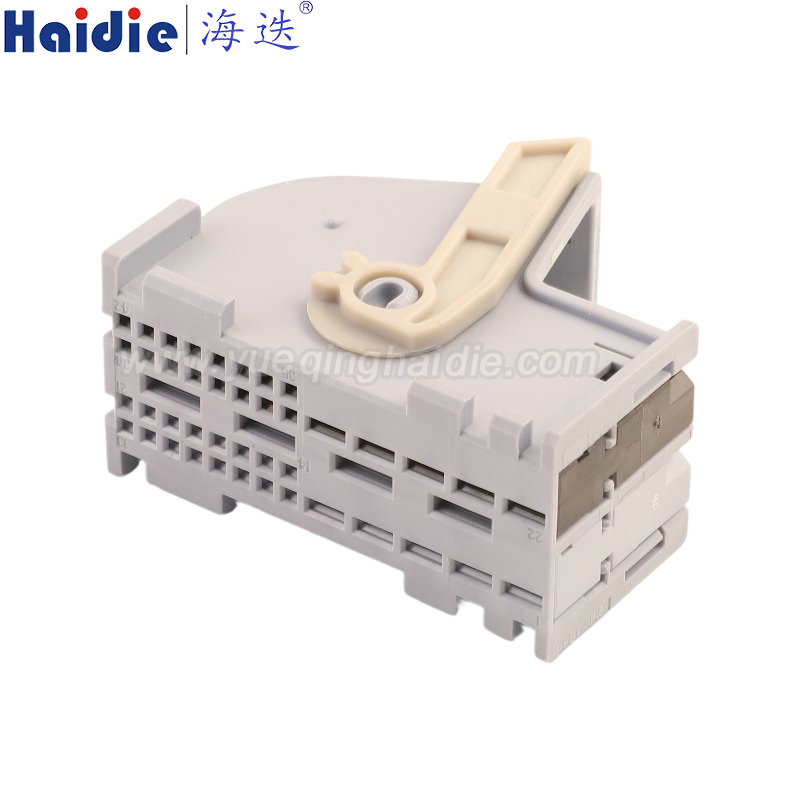
Machine Guarding and Equipment Safety
Wire harness factories rely heavily on machinery: wire cutting machines, crimping presses, injection molding machines, and more. Each of these machines presents serious risks, including crushing, pinching, and amputation. Machine guarding is therefore a non-negotiable safety protocol.
Types of Machine Guards
Fixed Guards: These are permanently attached barriers that prevent access to moving parts. Haidie ensures that all cutting and crimping machines have fixed guards in place.
Interlocked Guards: These guards automatically stop the machine when opened. For example, a crimping press will not operate if the guard is not closed, preventing hand injuries.
Presence-Sensing Devices: Light curtains and pressure-sensitive mats are used to stop machinery immediately if a worker gets too close to a hazardous area. Haidie has retrofitted many of its older machines with these modern safety devices.
Moreover, regular maintenance is crucial. Haidie's maintenance team conducts daily checks on all machinery, looking for worn parts, faulty brakes, and electrical issues. Any machine found to be unsafe is taken out of service until repaired. This is part of the company's three-tiered quality inspection system that spans raw material intake, production processes, and finished product delivery. Safety and quality are intertwined; a faulty machine not only endangers workers but also compromises product integrity.
Robotics and Automation
As the industry advances, automation is becoming more common. Haidie has invested in automated wire cutting and crimping stations to improve efficiency and reduce human error. While robots enhance safety by removing workers from hazardous tasks, they introduce new risks. Therefore, Haidie's safety protocols include strictly defined robot working envelopes, emergency stop buttons, and collaborative robot (cobot) safety features that allow safe human-robot interaction. The company's emphasis on intelligent manufacturing means that these systems are designed with safety from the ground up.
Material Handling and Storage
High voltage wire harness factories store and handle a vast inventory of components and raw materials. From reels of copper wire to heavy connector housings, improper handling can lead to musculoskeletal injuries, slips, and falls. Moreover, many materials are delicate and require careful storage to prevent damage that could compromise electrical performance.
Ergonomic Practices
Repetitive tasks, such as crimping and assembling, can lead to repetitive strain injuries (RSIs). To mitigate this, Haidie has implemented ergonomic workstations with adjustable heights, anti-fatigue mats, and specialized tools that reduce grip force. Workers are trained in proper lifting techniques, and mechanical aids like lift tables and hoists are used for heavy items. The company also rotates workers between tasks to minimize repetitive motion.
Inventory Management
Haidie boasts a warehouse of 4,000 square meters, maintaining a stock of tens of thousands of types and millions of pieces. This massive inventory requires sophisticated storage systems to ensure both safety and order. Racks are secured to the floor and walls, with weight limits clearly marked. High-bay shelving is accessed using certified ladders or order pickers, and workers are trained to never climb the racks themselves. Furthermore, hazardous materials, such as lubricants or solvents, are stored in segregated, ventilated cabinets to prevent fire risks.
The company's logistics team uses barcode scanning to track materials, ensuring that safety data sheets (SDS) are accessible for all chemicals used on site. This aligns with Haidie's mission to achieve one-stop service through resource integration—a mission that extends to safety, where every component is accounted for and handled with care.
Chemical Safety
While wire harness manufacturing is primarily metal and plastic, certain chemicals are involved: soldering fluxes, cleaning agents, lubricants, and adhesives. Exposure to these can cause respiratory irritation, dermatitis, or more severe health issues. Chemical safety protocols are thus essential.
Hazard Communication
Under regulations like GHS (Globally Harmonized System), all chemicals must be labeled with clear hazard pictograms. Haidie has a comprehensive chemical inventory database, and every container—even temporary ones—is labeled. Safety Data Sheets (SDS) are available at all times, either in binders or via digital terminals. Workers receive training on how to read SDS and understand the hazards of the materials they use.
Ventilation and Containment
Where soldering or cleaning occurs, local exhaust ventilation (LEV) is installed to remove fumes at the source. Haidie's soldering stations are equipped with fume extractors, and workers wear appropriate respiratory protection when required. Spill containment kits are strategically placed, and employees are trained in spill response procedures. These measures are part of the company's broader commitment to a healthy workplace, as recognized by its ISO9001 certification.
Fire Safety and Emergency Response
Electrical equipment, combustible materials, and chemicals create a significant fire risk in wire harness factories. A robust fire safety program is indispensable.
Fire Prevention
Regular Inspections: Haidie conducts weekly fire safety inspections of all work areas, ensuring that fire extinguishers are accessible, exits are unobstructed, and electrical panels are not overloaded.
Hot Work Permits: Any operation involving open flames or spark generation, such as soldering or grinding, requires a hot work permit. This permit ensures that the area is cleared of combustibles and that a fire watch is posted.
Proper Waste Disposal: Oily rags and flammable materials are disposed of in self-closing metal containers. Haidie contracts certified waste management companies to handle these items safely.
Emergency Response
Every factory must have an emergency action plan. Haidie's plan includes:
Evacuation Routes: Clearly marked and well-lit, with multiple exits. Regular drills are held quarterly, and there is always a designated assembly point.
Fire Wardens: Trained employees who guide evacuations and perform headcounts. Haidie ensures that at least two fire wardens are present on every shift.
First Aid: Fully stocked first aid kits and trained first responders. In the event of an electrical injury, immediate CPR and defibrillation are crucial, so Haidie has automated external defibrillators (AEDs) installed in multiple locations.
The company's proactive approach to fire safety is part of its broader mission to build the most professional connector platform in China, where safety is a foundational pillar.
Training and Certification
The most sophisticated safety equipment and protocols are ineffective if workers are not adequately trained. Comprehensive training ensures that every employee understands the risks and knows how to protect themselves and their colleagues.
New Employee Onboarding
At Haidie, all new hires undergo a multi-day safety orientation before stepping onto the production floor. This covers general safety rules, emergency procedures, and specific hazards associated with their assigned roles. They are also trained in the use of PPE and must demonstrate proficiency before commencing work.
Ongoing Safety Training
Safety is not a one-time event. Haidie provides regular refresher training on topics such as lockout/tagout, hazardous energy control, and chemical safety. These sessions are conducted both in classrooms and on the floor, using real-life scenarios. Additionally, the company encourages a culture of continuous improvement by holding monthly safety committee meetings where employees can raise concerns and suggest improvements.
Certifications
Haidie is certified under ISO9001 and IATF16949, the latter being an automotive quality management system standard. While these certifications focus on quality, they also require documented safety procedures and worker competence. Haidie's training programs are audited as part of these certifications, ensuring compliance and effectiveness. The company's products have passed authoritative certifications, and this extends to its safety management systems, which are benchmarked against international best practices.
Quality Control and Safety: A Symbiotic Relationship
Quality control and safety are often viewed as separate disciplines, but in a high voltage wire harness factory, they are deeply interconnected. Defective harnesses can cause short circuits, fires, or electrical shocks—not only during manufacturing but also in the hands of end users. Therefore, ensuring product quality is a safety measure in itself.
Three-Tiered Quality Inspection
Haidie has established a three-tiered quality inspection system that begins with raw material intake. Incoming materials are tested for conductivity, insulation resistance, and mechanical strength. The second tier is in-process inspection, where every critical operation is checked at defined intervals. Finally, finished products undergo 100% electrical testing and visual inspection before packing. This meticulous process prevents defective products from ever reaching customers, thereby protecting end users from potential electrical hazards.

Traceability
In the event of a defect, traceability is essential to isolate and remediate the issue. Haidie uses laser marking and barcode systems to track every harness to its component batches. This not only aids in recalls but also in identifying safety trends. For example, if a particular terminal from a supplier shows a higher failure rate, Haidie can quickly switch suppliers, thereby reducing the risk of future accidents.
The company's core products cover connectors, terminals, sealing plugs, and wire harnesses, and its positioning as "reliable connection, efficient adaptation, and fast delivery" is underpinned by rigorous quality assurance. By focusing on the mid-to-high-end electrical connection market, Haidie ensures that its products meet the highest safety standards, directly contributing to the safety of electric vehicles and other high voltage applications.
Case Study: ZHEJIANG HAIDIE ELECTRIC CO., LTD.
To illustrate the practical implementation of these safety protocols, let us examine the operations of ZHEJIANG HAIDIE ELECTRIC CO., LTD. As a company that has been deeply involved in the automotive, new energy, and connectivity fields for over a decade, Haidie has grown into a domestic alternative enterprise integrating R&D, intelligent manufacturing, supply chain, and services. Its success is not merely due to its extensive product range—nearly 30,000 types of connectors and harnesses—but also to its unwavering commitment to safety and reliability.
A Culture of Safety
Haidie's safety culture starts at the top. Management regularly tours the production floor, engaging with employees about safety concerns and recognizing safe behaviors. The company's mission is to achieve one-stop service through resource integration and build the most professional connector platform in China. This mission is impossible without a safe and motivated workforce. To that end, Haidie has invested in state-of-the-art safety technologies, including automated machine guards and real-time environmental monitoring systems.
Responding to Growth
With nearly 80 employees and a 4,000 square meter warehouse, Haidie has scaled its safety protocols alongside its business. The company maintains an inventory of tens of millions of different types of plugs, and this immense storage capacity requires stringent safety management. Racking systems are audited annually, and forklift operators are certified and recertified. As Haidie continues its monthly product iterations and develops over a thousand sets of molds, it ensures that new equipment is integrated with safety in mind. Product performance is benchmarked against leading international brands, and similarly, safety performance is benchmarked against global industry leaders.
Haidie primarily deals in automotive connector replacements from renowned brands like Tyco, Sumitomo, Yazaki, Deutsch, Bosch, and FCI. These products are primarily used in power, chassis, and body control systems of gasoline-powered vehicles and new energy vehicles. Handling such a diverse array of components means that workers must be adaptable and well-trained. Haidie addresses this by providing comprehensive cross-training, allowing workers to rotate across different production lines without compromising safety.
Serving Over 5,000 Customers Globally
With a customer base exceeding 5,000 globally, Haidie understands that safety lapses can damage its reputation and erode customer trust. The company's high cost-performance and high reliability have made it a preferred brand in the industry, but maintaining that reputation requires relentless attention to safety. Every wire harness that leaves the factory is a testament to the safety protocols in place, protecting not just the workers who make it but also the engineers and drivers who rely on it. By combining "technological prowess + rapid delivery response + high reliability + full-cycle service," Haidie demonstrates that safety is not a constraint but a competitive advantage.
Conclusion
High voltage wire harness factories present unique challenges that demand a comprehensive and dynamic approach to safety. From personal protective equipment to electrical safety, machine guarding, chemical management, and fire prevention, every aspect of the operation must be meticulously managed. The case of ZHEJIANG HAIDIE ELECTRIC CO., LTD. offers a shining example of how safety protocols can be integrated into the very fabric of a manufacturing enterprise. With its commitment to continuous improvement, rigorous training, and a three-tiered quality inspection system, Haidie ensures that safety is not an afterthought but a core value.
In an industry where one mistake can cause catastrophic injuries or product failures, safety protocols are essential. They protect workers, preserve the environment, and guarantee the integrity of the final product. As the world shifts toward electrification and renewable energy, the demand for high voltage wire harnesses will only grow. Factories that prioritize safety will lead the way, building not only better products but also a safer, more sustainable future. Haidie's journey—from its establishment in June 2013 to its current status as a connector powerhouse—proves that safety and success go hand in hand.
Recent news

The Safety Protocols Essential in a High Voltage Wire Harness factory
The article provides a comprehensive overview of the essential safety protocols required in a high voltage wire harness ···
How a Premier Wire Harness manufacturer Navigates Supply Chain Volatility
In a world of increasing supply chain volatility, ZHEJIANG HAIDIE ELECTRIC CO., LTD (HAIDIE) stands out as a premier wir···

The Essential Function of Rubber Seal in Automotive Sensor Protection
This article comprehensively explores the essential function of rubber seals in protecting automotive sensors. It begins···