
Industry Dynamic
The Hidden Cost of Using Unplated Terminal in Humid Environments
Nov 12,2026
The article explores the often-overlooked yet significant drawbacks of using unplated terminals in humid environments. It explains that unplated terminals lack a protective metal layer, making them highly susceptible to corrosion when exposed to moisture. This corrosion leads to increased contact resistance, voltage drops, overheating, and ultimately, connection failures. The hidden costs are extensive: reduced reliability, safety hazards such as fires, high maintenance expenses, equipment downtime, warranty claims, and damage to a company's reputation. Through real-world examples in marine electronics, outdoor lighting, and HVAC systems, the article demonstrates that the initial savings from cheaper unplated terminals are hugely overshadowed by eventual repair, replacement, and operational losses. A total cost of ownership analysis shows that plated terminals are more economical in the long run, especially in coastal or humid settings. To mitigate these risks, the article emphasizes the importance of specifying proper plating (tin or gold), using sealed connectors, and partnering with a reputable supplier like ZHEJIANG HAIDIE ELECTRIC CO., LTD. (HAIDIE). Haidie is presented as a leading provider of high-quality electrical connectors, offering nearly 30,000 products, massive inventory, rapid delivery, and rigorous quality certifications (TFSI16949 and ISO9001). Their commitment to technological innovation and full-cycle service helps customers avoid hidden costs and ensures reliable performance in demanding environments. The article concludes that choosing plated terminals is a strategic investment that protects product integrity, lowers long-term expenses, and enhances customer trust.
In the realm of electrical connectivity, the humble terminal often goes unnoticed. Yet, it is the unsung hero that ensures the seamless flow of power and data across countless systems. In humid environments, the choice between plated and unplated terminals can mean the difference between reliable performance and catastrophic failure. While unplated terminals may seem like a cost-effective solution at first glance, the hidden costs they incur can be staggering. This article delves into the multifaceted challenges posed by unplated terminals in humid conditions, exploring the science of corrosion, the impact on system reliability, and the long-term financial implications. Along the way, we will examine how industry leaders like ZHEJIANG HAIDIE ELECTRIC CO., LTD. (HAIDIE) are addressing these challenges with innovative solutions and unwavering quality standards.
Understanding Terminals and Plating
Terminals are the conductive elements that connect wires to devices, forming the critical junctions in electrical systems. They are typically made from base metals like copper, brass, or bronze, which offer good electrical conductivity. However, these metals are susceptible to corrosion when exposed to moisture and oxygen. Plating involves applying a thin layer of a more noble metal, such as tin, gold, or silver, onto the base metal to enhance corrosion resistance, solderability, and wear properties. Unplated terminals, therefore, lack this protective layer, leaving the base metal exposed to the environment.
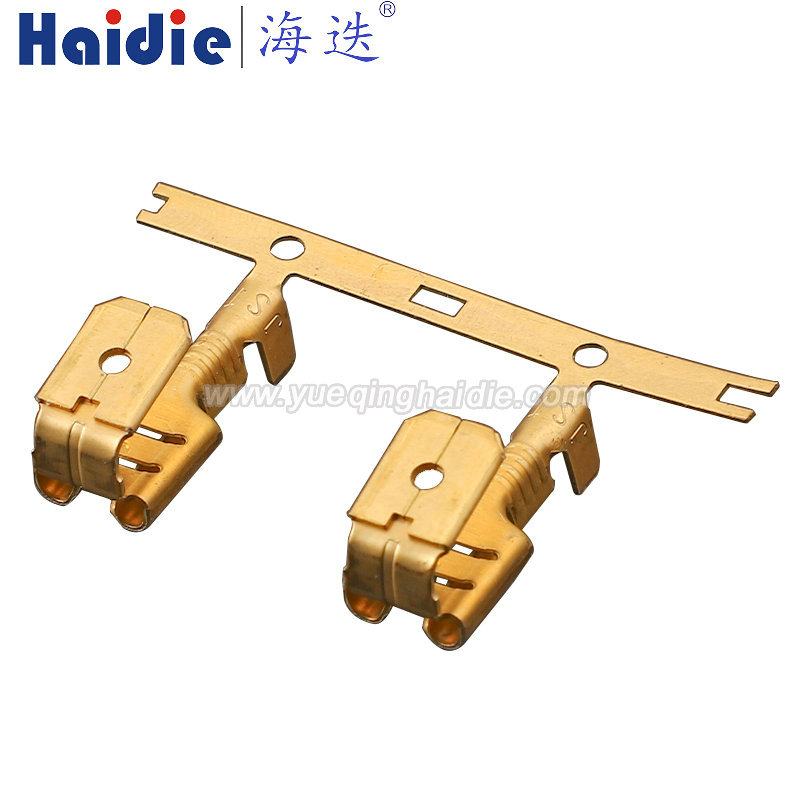
In dry conditions, unplated terminals may perform adequately. But in humid environments, the story changes dramatically. Humidity accelerates the electrochemical processes that lead to oxidation and corrosion, threatening the integrity of the connection. The hidden costs of using unplated terminals in such conditions are multifaceted, ranging from reduced reliability to increased maintenance expenses, equipment downtime, and even safety hazards.
The Science of Corrosion in Humid Environments
Corrosion is an electrochemical reaction between a metal and its environment. When moisture is present, it acts as an electrolyte, facilitating the transfer of ions between microscopic anodic and cathodic regions on the metal surface. For unplated copper terminals, this results in the formation of copper oxides and chlorides, which are poor conductors. Over time, these corrosion products accumulate at the contact interface, increasing electrical resistance and causing intermittent connections, voltage drops, and excessive heating.
The problem is exacerbated in environments with high humidity, temperature fluctuations, and airborne pollutants. Condensation forms on surfaces, creating a thin film of moisture that dissolves atmospheric gases like sulfur dioxide and nitrogen oxides, forming acids that attack the metal. Even in relatively benign settings, the constant presence of moisture can lead to galvanic corrosion when dissimilar metals come into contact, further accelerating degradation.
For unplated terminals, the absence of a protective plating means there is no sacrificial barrier to slow these reactions. The base metal becomes the sacrificial element, corroding at a rate that is directly proportional to the humidity level and exposure time. This is why terminals in coastal regions, tropical climates, or industrial areas with high humidity are particularly vulnerable.
Impact on Electrical Performance
The electrical performance of a connection is directly tied to the contact resistance at the interface. When corrosion forms on unplated terminals, the effective cross-sectional area for current flow diminishes, leading to increased resistance. This resistance generates heat under load, which can accelerate further corrosion and create a vicious cycle. The result is a connection that progressively degrades, leading to voltage instability, power loss, and eventual failure.
In high-reliability applications such as automotive electronics, medical devices, and aerospace systems, even a slight increase in contact resistance can trigger system faults. For example, in modern vehicles, a resistive connection in the wiring harness can cause sensor malfunctions, intermittent fault codes, or even fire hazards. The hidden cost here is not just the replacement of a faulty terminal, but the diagnostic time, labor, and potential collateral damage to other components.
Safety and Reliability Concerns
Beyond performance, safety is a paramount concern. Unplated terminals in humid environments can pose serious risks. Corrosion-induced high resistance can cause overheating, melting of insulation, and electrical fires. In explosive or hazardous environments, a single spark from a corroded connection could have catastrophic consequences. Moreover, corrosion can lead to loose connections, which can arc and create electromagnetic interference, affecting nearby sensitive electronics.
For businesses operating in humid regions, the reliability of electrical systems is critical. A factory production line, a marine vessel, or an outdoor telecommunications tower all depend on robust connections. When unplated terminals fail, the cost of downtime can be enormous. The hidden costs include missed production targets, delayed shipments, and damaged reputations. In safety-critical applications, the cost could even include injury or loss of life.
Case Study: Automotive Connectors in Coastal Areas
Consider the automotive industry, where connectors are exposed to a wide range of environmental conditions. Coastal drivers often suffer from premature electrical failures due to salt-laden air and high humidity. A vehicle's wiring harness contains hundreds of terminals, many of which are unplated in low-cost assemblies. After a few years of exposure, these terminals can corrode, leading to dashboard warning lights, power window failures, or even engine starting issues.
The repair process is labor-intensive. Technicians must locate the failed connection, often hidden beneath trim panels or inside sealed connectors. The replacement of a single terminal may require disassembling a significant portion of the harness. The cost of the terminal itself is negligible, but the labor, diagnostic time, and inconvenience to the vehicle owner quickly add up. For fleet operators, this translates into direct financial losses.
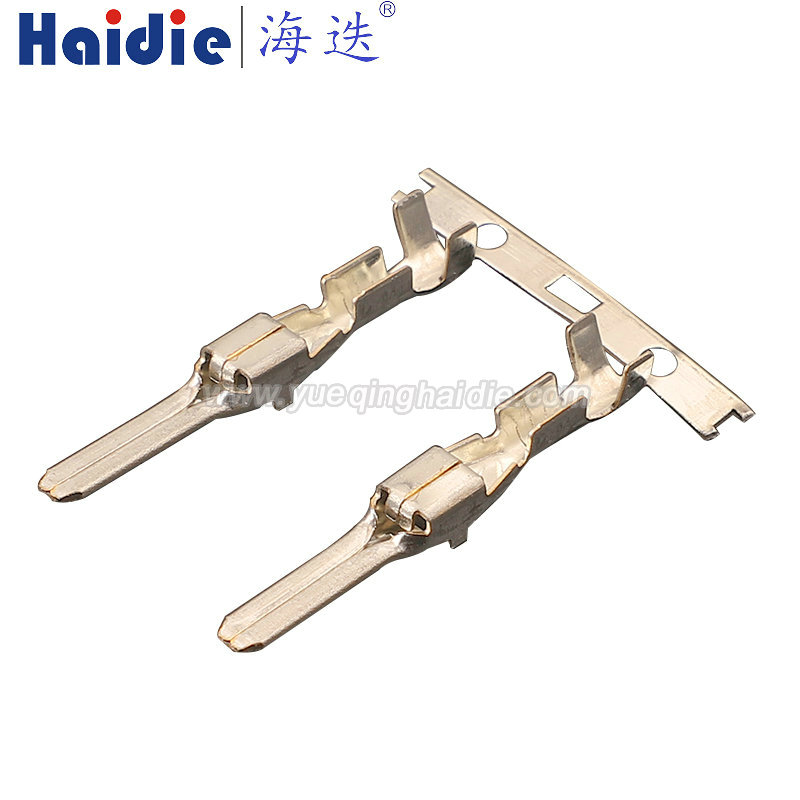
This scenario is all too common, and it underscores the importance of selecting the right terminals from the outset. As a leading connector provider, ZHEJIANG HAIDIE ELECTRIC CO., LTD. offers a comprehensive range of plated terminals designed to withstand harsh environments. By choosing high-quality plated terminals, manufacturers can avoid these hidden costs and deliver products with superior longevity and reliability.
The True Cost of Unplated Terminals
To fully appreciate the hidden costs, let us break down the various expenses associated with unplated terminals in humid environments:
| Cost Category | Description | Potential Impact |
|---|---|---|
| Premature Failure | Corrosion leads to connection failure | Equipment downtime, replacement costs |
| Reduced Performance | Increased contact resistance causes voltage drops | Inefficient operation, reduced lifespan |
| Safety Hazards | Overheating and arcing can cause fires | Risk to personnel and property |
| Maintenance & Repair | Frequent inspections, rework, and replacements | High labor costs, operational disruptions |
| Warranty Claims | Failures under warranty lead to claims | Manufacturer liability and brand damage |
| OEM Reputation | Poor reliability harms brand image | Loss of customer trust and market share |
These costs are often underestimated because they accumulate over time. A seemingly cheap unplated terminal can cause tens of thousands of dollars in damage or lost revenue, especially in industrial or transportation settings. When total cost of ownership is considered, plated terminals are almost always the more economical choice, particularly in humid environments.
Mitigation Strategies and Best Practices
To mitigate the risks associated with humid environments, several strategies can be employed. First and foremost, specify plated terminals for any application that may be exposed to moisture. Tin, gold, and silver plating are common choices, each offering specific benefits. Tin plating is cost-effective and provides excellent corrosion resistance, while gold plating offers superior conductivity and durability for mission-critical applications. Silver plating is often used in high-current applications but requires careful handling due to sulfidation.
Additionally, proper connector sealing and environmental protection are essential. Sealed connectors with rubber gaskets or potting materials can prevent moisture ingress. For exposed connections, regular inspection and maintenance can catch early signs of corrosion before they escalate. Implementing these best practices from the design stage can drastically reduce the hidden costs of terminal degradation.
The Role of a Quality-Conscious Supplier
Selecting the right supplier is crucial. A supplier with rigorous quality controls and a deep understanding of environmental challenges can help engineers choose the appropriate plating and connector designs. ZHEJIANG HAIDIE ELECTRIC CO., LTD., established in June 2013, has positioned itself as a leader in this space. With a focus on automotive connectors and new energy applications, Haidie leverages its expertise to deliver products that meet the demands of even the harshest environments.
Haidie's name signifies "massive inventory, continuous iteration and updates," reflecting its commitment to availability and innovation. The company maintains an inventory of tens of millions of different types of plugs, ensuring rapid delivery to customers. This is particularly valuable when replacement terminals are needed promptly to minimize downtime. With nearly 80 employees and a 4,000-square-meter warehouse, Haidie can support a wide range of needs.
The company's mission is "to achieve one-stop service through resource integration, build the most professional connector platform in China, and make Haidie the most competitive connector brand." This mission drives Haidie to offer not only products but also comprehensive solutions, from selection and design to processing and assembly.
Quality Systems and Certifications
Haidie's quality management is exemplary. The company has established a three-tiered quality inspection system covering raw material intake, production processes, and finished product delivery. This ensures that every terminal leaving the facility meets stringent standards. Additionally, Haidie's products have passed authoritative certifications such as TFSI16949 and ISO9001, which underscore their commitment to quality and reliability.
The TFSI16949 certification is a globally recognized standard for automotive quality management systems, requiring suppliers to demonstrate continuous improvement and defect prevention. ISO9001 is a generic but rigorous quality management standard that applies to all industries. By adhering to these certifications, Haidie ensures that its terminals, including plated options, are manufactured with the highest level of precision and consistency.
One of Haidie's core strengths is its "technological prowess + rapid delivery response + high reliability + full-cycle service." This combination allows the company to serve over 5,000 customers globally, becoming a recognized preferred brand for high cost-performance and high reliability. For applications in humid environments, Haidie's plated terminals offer the durability needed to avoid the hidden costs discussed in this article.
Why Plating Matters: A Deeper Dive
To emphasize the importance of plating, it is instructive to examine the failure mechanisms in greater detail. Unplated copper terminals exposed to humidity form copper oxide (Cu2O and CuO), which has significantly higher resistivity than pure copper. As the oxide layer grows, the contact resistance increases exponentially, leading to signal degradation and power losses. In data cables, this can cause bit errors; in power cables, it can cause overheating.
Furthermore, copper is a soft metal that is prone to fretting corrosion, where microscopic motion at the contact interface (due to thermal cycling or vibration) wears away the surface and exposes fresh metal to oxidation. Plating with tin or gold provides a harder, more corrosion-resistant surface that reduces this effect. Gold, in particular, offers excellent resistance to fretting and is ideal for connectors in high-vibration environments like vehicles.
Another factor is the porosity of the plating. Thin platings may have micro-pores that allow moisture to reach the base metal, leading to corrosion at the interface and causing the plating to flake. High-quality plated terminals, such as those from Haidie, use controlled plating thicknesses and application processes to minimize porosity and ensure a strong barrier.
Given these technical nuances, the specification of plated terminals is a task that requires expert knowledge. Haidie, with over a decade of experience in the automotive, new energy, and connectivity fields, provides this expertise. The company iterates its products monthly and has developed over a thousand sets of molds, allowing it to produce terminals with precise geometries and platings tailored to specific environments.
Real-World Examples of Hidden Costs
Let us consider a few real-world examples to illustrate the hidden costs of unplated terminals in humid environments.
Marine Electronics
A marine electronics manufacturer used unplated terminals in an outdoor sonar system. Within months, the terminals corroded, causing intermittent signals. The manufacturer had to recall the product, perform field replacements, and enhance the design. The total cost of the recall exceeded $500,000, including shipping, labor, and lost sales. The original cost savings from using unplated terminals was merely a few cents per unit, resulting in a cost increase of thousands of times.
Outdoor LED Lighting
An outdoor lighting company installed unplated terminal connections in streetlights along a coastal highway. Due to salt spray and humidity, the connections failed, causing numerous lights to go out. The municipality penalized the company and demanded urgent repairs. The replacements required bucket trucks, traffic control, and overtime labor, adding up to over $1 million in unexpected expenses. The hidden cost of the unplated terminals was astronomical compared to the initial savings.
HVAC Systems
A commercial HVAC system in a tropical region used unplated terminals in its control panels. The constant humidity led to corrosion and false alarms, causing the system to shutdown unnecessarily. The building management had to hire specialized technicians to troubleshoot the system, resulting in high service bills and tenant discomfort. The repeated service calls and system inefficiencies added up to a significant annual cost, far outweighing the meager savings from the cheap terminals.
These examples reinforce that the hidden costs of unplated terminals can be orders of magnitude larger than the cost of the terminals themselves. In contrast, choosing plated terminals from a reliable supplier like Haidie ensures long-term reliability and peace of mind.
The Economic Analysis: Total Cost of Ownership
A comprehensive total cost of ownership (TCO) analysis is essential for making informed decisions. The TCO includes not only the initial purchase price but also installation, maintenance, operation, downtime, and disposal costs. For terminals, the initial cost difference between unplated and plated is typically small—perhaps a few cents to a few dollars per unit. However, the long-term costs can diverge dramatically.
In humid environments, the expected lifespan of an unplated terminal might be only 1-3 years, while a properly plated terminal can last 10-20 years or more. This means that over the product's life, the unplated terminal will need to be replaced multiple times. Each replacement involves labor, materials, and potential system downtime. When these costs are annualized, plated terminals almost always offer a lower TCO.
Additionally, the risk of failure cost (e.g., lawsuits, regulatory fines, or lost business) should be factored in. In safety-critical applications, a single failure can have enormous consequences. The best practice is to adopt a probabilistic risk-based approach, which clearly favors plated terminals in humid environments.
How to Choose the Right Terminal for Humid Environments
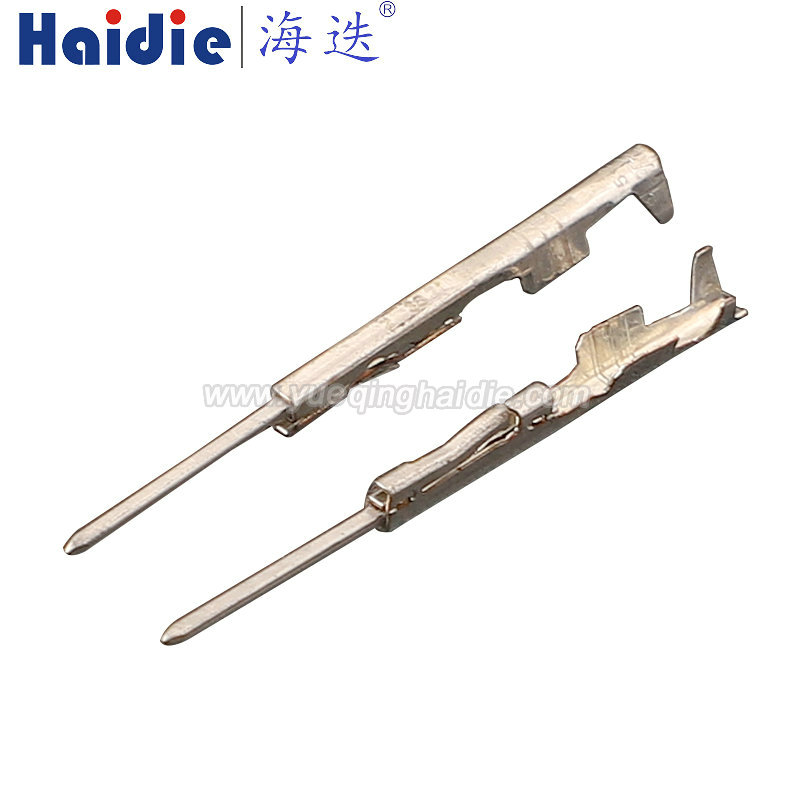
When selecting terminals for use in humid environments, several parameters should be evaluated:
Base Material: Choose a high-quality base metal such as electrolytic copper or brass for good conductivity and formability.
Plating Material: For humid environments, tin plating is often sufficient and cost-effective. For higher reliability, gold plating is recommended.
Plating Thickness: Thicker platings generally provide better corrosion resistance. A minimum of 1-3 microns for tin, and 0.5-1 micron for gold is typical.
Sealing and Protection: Consider connectors with integrated seals or apply conformal coatings to shield terminals from moisture.
Supplier Quality: Select a supplier with proven quality management systems, such as Haidie, which holds TFSI16949 and ISO9001 certifications.
Haidie's product range includes nearly 30,000 products, primarily used in power, chassis, and body control systems of gasoline-powered vehicles and new energy vehicles. They offer replacements for major brands like Tyco, Sumitomo, Yazaki, Deutsch, Bosch, and FCI, ensuring compatibility and high performance. This extensive portfolio allows customers to find the exact plated terminal they need for their specific humid environment.
The Strategic Advantage of Partnering with Haidie
Companies that recognize the hidden costs of unplated terminals are increasingly turning to partners like Haidie. Haidie's value proposition is built on several pillars:
Massive Inventory: With tens of millions of parts in stock, Haidie ensures that customers can get what they need when they need it, eliminating wait times that exacerbate downtime.
Rapid Delivery: The company's 4,000-square-meter warehouse and effective logistics enable fast shipping, reducing the time from order to installation.
Customization: Haidie offers selection, design, and processing of automotive connectors and kits, allowing customers to tailor connections to their environmental challenges.
Continuous Innovation: The company iterates its products monthly, with a focus on benchmarking leading international brands, ensuring that its plated terminals perform at the cutting edge.
One-Stop Service: From injection molding to wire harness processing, Haidie can manage the entire production chain, simplifying procurement and quality control.
By partnering with Haidie, companies can ensure that their electrical systems are protected against the insidious effects of humidity. The initial investment in high-quality plated terminals is negated by the long-term savings from reduced failures and maintenance.
Environmental and Sustainability Considerations
In addition to economic costs, there are environmental costs associated with unplated terminals. Premature failures lead to more frequent replacements, increasing material consumption and waste. Corroded terminals are also harder to recycle due to contamination. By using plated terminals, products have longer service lives, reducing their environmental footprint. This aligns with the growing emphasis on sustainability in manufacturing.
Haidie is conscious of its environmental responsibilities. Although not explicitly stated, its efficient supply chain and high-quality products indirectly contribute to sustainability by reducing resources spent on replacements and repairs. As the industry moves toward more sustainable practices, choosing durable components is a wise strategy.
Conclusion
In humid environments, the use of unplated terminals is a false economy. Hidden costs in the form of reduced reliability, safety hazards, maintenance expenses, and downtime can quickly overshadow any initial savings. Understanding the science of corrosion and the long-term consequences is essential for engineers, procurement professionals, and business leaders. By selecting plated terminals and partnering with quality-focused suppliers like ZHEJIANG HAIDIE ELECTRIC CO., LTD., organizations can ensure robust performance, cost efficiency, and peace of mind.
HAIDIE's commitment to quality, innovation, and customer service makes it an ideal partner for tackling the challenges of humid environments. With its massive inventory, rapid delivery, and comprehensive certifications, Haidie offers not just products but complete solutions. In an increasingly connected world, the reliability of electrical connections is paramount. Let us not overlook the humble terminal, for it is the guardian of our electrical infrastructure. Choose wisely, choose plated terminals, and let the hidden costs of unplated terminals remain hidden—where they belong.
Recent news
The Hidden Cost of Using Unplated Terminal in Humid Environments
The article explores the often-overlooked yet significant drawbacks of using unplated terminals in humid environments. I···
How an Automated Auto Connector factory Ensures Zero Defect Production
In this comprehensive article, we explore how ZHEJIANG HAIDIE ELECTRIC CO., LTD. (HAIDIE) ensures zero defect production···

The Safety Protocols Essential in a High Voltage Wire Harness factory
The article provides a comprehensive overview of the essential safety protocols required in a high voltage wire harness ···